Becoming a blogger in this day and age has never been easier. You simply write and hit publish, and just like that, your articles are readily available for anyone across the world to read. Centring your blog around your business or chosen niche helps put your brand on the map and establish yourself as a trusted authority figure.
But the reality is, even the most valuable content won’t achieve maximum visibility if you are without a solid blog promotion strategy. As of October 2025, there are approximately 5.66 billion social media user identities worldwide, making platforms like Instagram, Facebook, Pinterest, and TikTok powerful channels to help promote your blog, drive consistent traffic to your site, and overall, help boost brand authority.
Whether you’re a seasoned content creator or just starting a blog, learning how to organically promote your blog on social media can make a huge difference to your audience engagement rates. In this article, we will be breaking down exactly how to make social media marketing work for your blog.
Why you should use a social sharing strategy for your blog

Higher Visibility
The more effort you put into promoting your blog, the greater visibility you will earn. Every share, repost, and story puts your content in front of new eyes, and social media algorithms tend to reward consistency. That means the more active you are in promoting your posts on social media, the more likely platforms are to push your content to wider audiences organically and appear on the feeds of people who’ve never heard of you before. Over time, this increased exposure strengthens brand recognition and positions you as a go-to voice in your niche.
Improved Traffic
Social sharing will help boost traffic to your site and, in turn, increase engagement rates and your authority in your chosen niche. When someone discovers your blog through a post on Instagram, a Pin on Pinterest, or a share in a Facebook Group, that’s a new visitor you might never have reached through search engines alone. Additionally, the more traffic your posts generate, the stronger the signals you send to search engines, which can improve your rankings and create a positive feedback loop of even more organic visitors over time.
Building Authority
Consistently sharing valuable, well-crafted content on social media positions you as a trusted expert in your field. When your audience sees you showing up regularly with insights, tips, and fresh perspectives, they start to view you as a reliable source of knowledge. This trust doesn’t just live on social platforms; it carries over to your blog, your brand, and even your business. Readers who find your content helpful are more likely to recommend it to others, leave comments, and come back for more. Having an engaged community can become one of your most powerful assets, turning casual followers into loyal readers and advocates.
Choose which social media platform to publish to
Growing your presence across multiple social media platforms is ideal for a solid organic marketing strategy. But figuring out which social media platforms work best for your blogging tactic takes time and a lot of experimentation. Reaching your audience and comparing engagement rates per platform will save you a lot of time and unnecessary posting efforts that will lead nowhere. Each social media platform has its own unique algorithm, content style and set of tools, so figuring out which platform fits you best is crucial for a solid content marketing strategy.

As it still has billions of active users, Facebook remains one of the strongest platforms for getting your blog in front of a wide audience. You can share posts directly from your blogging site or craft a dedicated Facebook post that teases the article with a compelling hook and a strong visual. Eye-catching images or short video clips paired with your link will stop the scroll and draw readers in.
Facebook Stories offer another creative avenue. Add a link sticker to your Story so viewers can tap straight through to your blog post, and use polls or question stickers to spark curiosity around the topic before you share the full article. For a more permanent setup, add a direct link to your bio or create a Linktree landing page so followers can browse multiple blog posts in one place.
Don’t overlook Facebook Groups, either. Sharing your content in niche communities where your target audience already hangs out can drive highly engaged traffic, as long as you focus on adding value rather than simply self-promoting.

With an impressive 3 billion monthly users, promoting your blog on Instagram is a powerful way to reach a massive, highly visual audience and turn scrollers into loyal readers. The platform doesn’t support clickable external links in posts or reels, so promoting your blog requires a slightly different approach. The most effective way to share a direct link is through Stories, where you can add a link sticker that takes viewers straight to your article.
Your bio is another prime spot for driving traffic. Since you only get one clickable link there, consider setting up a Linktree or similar landing page so you can point readers to multiple blog posts at once. Whenever you publish a new article, update your landing page and direct followers to it with a simple “link in bio” call to action in your captions.
Beyond links, make your blog content work visually. Turn key takeaways into carousel posts, create eye-catching quote graphics, or film a short reel summarizing the article’s main points. These formats thrive on Instagram and can spark enough curiosity to send followers looking for the full read.
Threads

Threads is the micro-conversational Meta app built for text-based posts, and an X competitor, currently standing at 141.5 million active users on mobile devices compared to 125 million mobile users on X. Unlike Instagram, you can easily share blog post links and promote them on this platform. You can also turn your post into a short series: share bite-sized takeaways in a few connected updates, then drop the link to the full article in the last one. Micro-blogging keeps readers engaged from start to finish and signals strong interaction to the algorithm.
TikTok
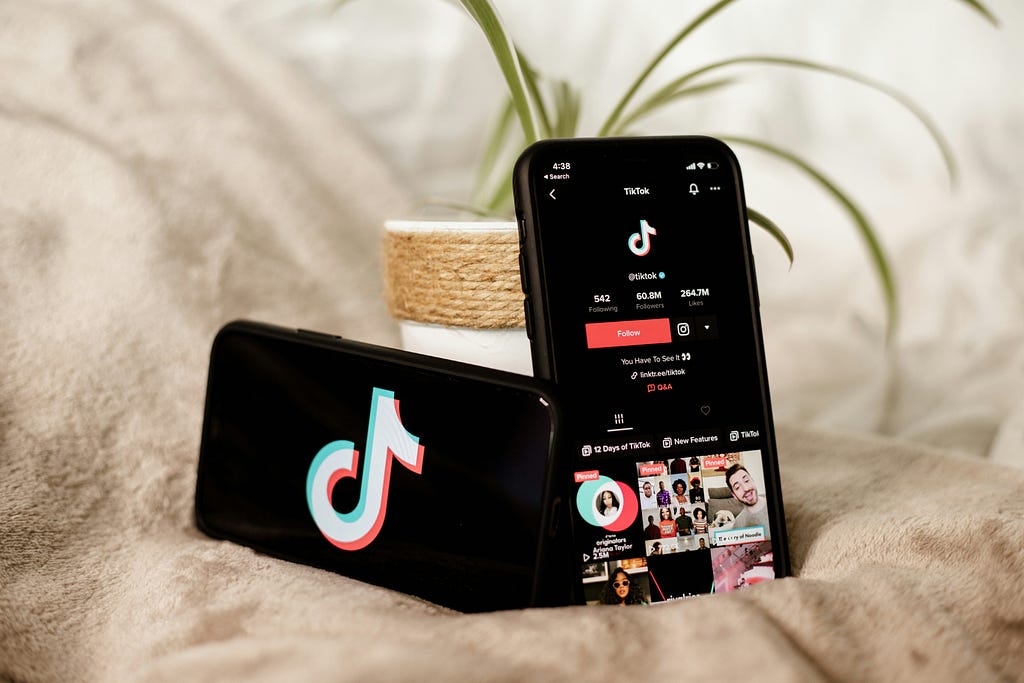
As of 2026, TikTok has 1.9 billion active users, making it a social media powerhouse. The app currently doesn’t support clickable links in regular posts, therefore driving traffic to your blog takes a bit of creativity. The most common approach is to add a link to your bio page. Set up a Linktree or similar landing page so you can feature multiple blog posts at once, then direct viewers there with a “link in bio” call to action in your video text or caption.
The real opportunity on TikTok, though, is the content itself. Turn your blog’s key points into short, engaging videos that hook viewers in the first second. Some examples to consider are quick tips, myth-busting takes, or “things you didn’t know about…” formats pulled straight from your article. The goal isn’t just to redirect viewers to your blog; it’s to build an audience that actively looks forward to your content and wants to dig deeper.
Trending sounds and hashtags can also give your videos a visibility boost. Keep an eye on what’s performing in your niche and find creative ways to tie those trends back to your blog topics. The more authentic and entertaining your content feels, the more likely it is to land on the For You page and reach new readers.

With around 619 million monthly active users, Pinterest is a gold mine for promoting blog posts. Thanks to its evergreen algorithm status, optimized Pins published years ago can remain relevant. Create stunning Pinterest Pins using templates on Canva that display the message of your blog post loud and clear.
For better visibility, treat every Pin like a mini search listing. Use a clear, keyword-rich title, write a description that includes your main phrase naturally, and add descriptive alt text that spells out what the image shows. Then add a handful of closely related Pinterest tags to help the algorithm understand your niche and match your Pin to the right searches.
The best thing about it is that you can experiment by creating multiple Pins all leading to the same page, so you can figure out what visuals work best for promoting your articles on Pinterest. It’s also useful to check out Pinterest Trends, which is a free tool that shows the top keyword searches on the platform.
X/Twitter

X (formerly Twitter) has an active user base of around 561 million users, thus remaining one of the most active platforms for real-time conversation and content sharing. Promoting your blog here is straightforward: you can share a link in a brief, punchy text post, and your audience can instantly engage by liking, commenting, and reposting. Its fast-paced, text-first format makes it especially effective for sparking discussion around hot topics, including your latest articles.
To get the most out of X, use a micro-blogging strategy. This is where you craft attention-grabbing posts that tease a key insight or question from your article, rather than simply dropping a link. Thread posts are another powerful format: break your blog post into bite-sized takeaways across multiple connected posts, then link back to the full article in the final one. This approach encourages readers to follow along and boosts engagement with the algorithm.
You can also pin your most important blog promotion post to the top of your profile, giving it extra visibility for anyone who visits your page. Engaging with replies and reposting user reactions to your article helps build community and keeps the conversation going long after you hit publish.
YouTube
With an estimated 2.7 billion users globally, YouTube gives you the chance to breathe new life into your blog content by repurposing it into video format. Think of each blog post as a ready-made script: walk viewers through the key points on camera, create a narrated slideshow, or put together a quick tutorial based on the article’s tips.
The real power of YouTube lies in its search engine. As the world’s second-largest search platform, a well-optimized video can attract readers who would never have found your blog through Google alone. Include your blog post link in the video description, mention it during the video itself, and add it as a pinned comment to make it easy for viewers to click through to the full article.
YouTube Shorts are also worth exploring. These bite-sized vertical videos (under 60 seconds) are perfect for teasing a single tip or takeaway from your blog, and they can reach a massive audience through YouTube’s Shorts feed. Insert a call to action pointing viewers to the long-form video or directly to your blog for the complete breakdown.

With more than 1 billion members worldwide, LinkedIn is ideal for blog writers who focus on a professionally oriented niche and an audience made up of industry professionals. You can share blog post links directly in your LinkedIn posts, making it one of the more link-friendly platforms out there. For maximum reach, pair your link with a compelling snippet or key takeaway from the article to spark conversation in the comments.
LinkedIn also supports long-form articles through its built-in publishing tool, so you can repurpose your blog content natively on the platform to reach an even wider professional audience. Another effective approach is to share your posts in relevant LinkedIn Groups where your target readers are already active and engaged. Just make sure your contributions add genuine value to the group rather than coming across as purely promotional.
Social Media Advertising

Organic reach is powerful, but if you really want to amplify your blog’s visibility, paid social media advertising can supercharge your results. Platforms like Facebook, TikTok, and Pinterest offer highly targeted ad options that let you put your blog content directly in front of the people most likely to engage with it.
Here’s how to get started with social media ads for blog promotion:
- Define your goal. Are you driving traffic to a specific blog post, growing your email list, or building brand awareness? A clear objective helps you choose the right ad format and budget.
- Target strategically. Use audience targeting features to reach users by interests, demographics, location, and online behaviour. The more specific your targeting, the better your return on investment.
- Start small and test. You don’t need a massive budget to see results. Even a few euros a day can make a noticeable difference. Run A/B tests with different visuals, headlines, and calls to action to find what resonates.
- Repurpose your best-performing content. Already have a blog post that’s doing well organically? Boosting it with a paid campaign can multiply its reach and bring in a wave of new readers.
- Track your results. Use platform analytics and tools like Google Analytics and Meta Ads Manager to monitor click-through rates, conversions, and cost per click. This data will help you refine your strategy over time.
The beauty of paid promotion is that it works hand-in-hand with your organic efforts. A well-placed ad can give a brand-new post the initial push it needs to gain traction, while your organic content keeps building long-term authority.
FAQ
How often should I share my blog posts on social media?
Start by sharing each new post once on every platform you use. Then reshare it over the next few weeks in different formats, like a carousel, a reel, or a quote graphic. You can reshare evergreen posts regularly without it feeling repetitive.
Which social media platform is best for blog promotion?
It depends on your niche and where your audience spends their time. Pinterest and Facebook often drive direct blog traffic. Instagram and TikTok are better for building brand awareness. Test, track results, and focus on what performs best.
Do I need to be on every social media platform?
No. It’s far more effective to show up consistently on two or three platforms than to spread yourself thin across all of them. Start with the platforms where your target audience is most active, master those, and expand later if it makes sense for your strategy.
Can I just share the same content across all platforms?
Reuse the core message, but tailor each post to the chosen platform. Small tweaks to tone, length, and format will help it feel native and perform better with your audience.
Should I promote old blog posts on social media?
If they still fit your core message and aren’t outdated, you absolutely should. This tactic is a great opportunity to talk about evergreen content and resharing strategies. It is also ideal for blog posts centred on seasonal topics.
Autosync your Blog with PugSync
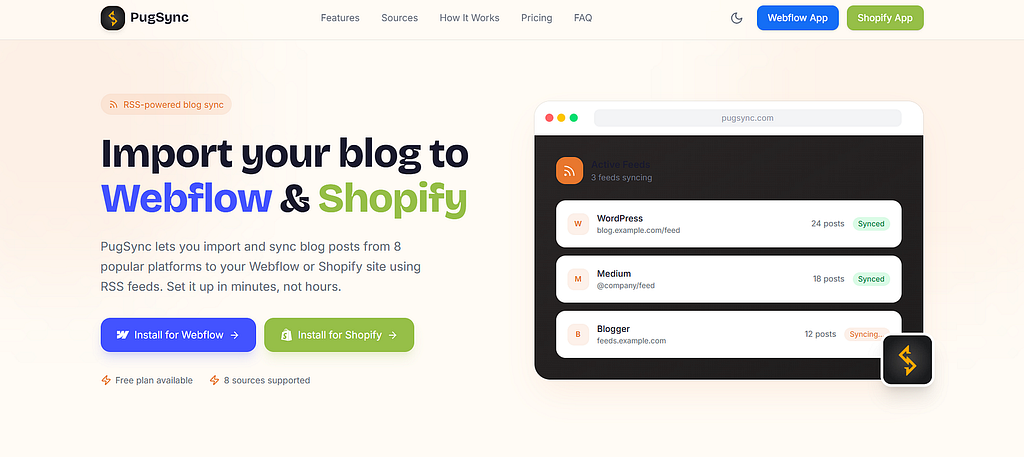
Keeping your blog content fresh across platforms doesn’t have to be a headache. Our app PugSync is an easy way for you to import and sync blog posts from 8 popular platforms (including Medium, WordPress, and Squarespace) to your Webflow or Shopify site using RSS feeds. With CDN image hosting, AutoSync, and flexible customization, PugSync keeps your content perfectly in sync while you focus on making it shine. You can read more about the app’s features here.
Conclusion
Promoting your blog on social media isn’t just a nice bonus; it’s an essential part of any successful content strategy. With billions of people scrolling through their feeds every day, the opportunity to connect with new readers, drive meaningful traffic, and build lasting authority in your niche has never been greater.
The key is to start where your audience already spends their time. Pick the platforms that suit you best, experiment with different formats, and pay close attention to what resonates. You don’t need to be everywhere at once. Consistency, creativity, and genuine value will always outperform a scattered approach.
Remember, every blog post you publish is a piece of content waiting to be discovered. A single article can be transformed into a carousel on Instagram, a thread on X, a Pin on Pinterest, a video on TikTok, and a discussion starter on LinkedIn. The more creatively you repurpose and share your work, the further it travels.
So the next time you hit publish, don’t just stop there. Give your content the spotlight it deserves, show up for your audience, and watch your blog grow into a thriving hub of engaged readers.
Ready to upgrade your blog feed? Try PugSync to automatically sync your blog content across platforms, so you can spend less time managing and more time creating.
If you’re looking for expert help with your brand growth and website content strategy, get in touch with Black Pug Studio today.
Why you should Promote your Blog on Social Media was originally published in Creative by Black Pug Studio on Medium, where people are continuing the conversation by highlighting and responding to this story.