Looking to supercharge your B2B marketing strategy in 2026? LinkedIn marketing might just be your secret weapon. With over 1 billion professionals connecting, sharing, and doing business on the platform, LinkedIn has evolved from a simple professional networking site into an incredibly powerful tool for B2B lead generation.
Whether you’re a startup founder looking for your first big client, a marketing manager working to fill your sales pipeline, or a creative agency like Black Pug Studio building brand authority, mastering LinkedIn for business isn’t optional anymore. It’s essential.
Ready to take your LinkedIn presence to the next level? Let’s dive into the strategies that really make a difference!
Why you should market on LinkedIn

LinkedIn is widely considered the top platform for B2B lead generation, making it essential for building brand awareness around you and your business. According to a study, 89% of B2B marketers use LinkedIn for lead generation, and 62% say it successfully generates leads for them - additionally, the platform delivers an impressive 113% return on ad spend.
If you have a B2B business, or you simply want to build your brand, expand your network, gain knowledge or source employees, LinkedIn is definitely the place to be. Posting regularly on this platform is a wonderful way to grow your network and connect with new potential business partners, customers, and employees.
What sets LinkedIn apart from other social platforms is its professional context and intent. While other platforms have you scrolling through vacation pics or fun videos, LinkedIn brings together people who are genuinely interested in business and growth. Users are actively seeking valuable industry insights, meaningful professional connections, and real solutions to their challenges. This means your content reaches people when they’re ready to engage professionally, making every post, comment, and connection significantly more valuable for B2B growth.
Plus, with LinkedIn’s sophisticated targeting capabilities, you can zero in on specific industries, job titles, and company sizes to ensure your message reaches exactly who needs to hear it.
Step 1: Create a strong LinkedIn page

Boost the credibility and discoverability of your business by creating a robust profile and a LinkedIn Page. Your personal LinkedIn profile is just as important as your company page - it’s your professional identity and often the first impression for potential clients, partners, and collaborators. An optimized personal profile plus a strong company page creates a powerful dual presence that enhances trust and visibility.
The following sections are just some of the important elements of a strong LinkedIn profile:
- Professional headshot
- Background photo
- Compelling headline
- Current Position
- Detailed work experience
- Education
- Relevant skills
- Location
- Contact info
- Honors & Awards
- Courses
- Publications
Creating a Page is completely free, and there are different types you can create depending on your goals. A well-optimized LinkedIn Page serves as your company’s professional home on the platform, helping you connect with potential clients, partners, and talent. Therefore, be sure to include the right keywords and descriptions to boost your Page's visibility.
The elements you should be focusing on to strengthen your LinkedIn page are as follows:
- Profile Picture: Use a high-quality, professional logo that clearly represents your brand and is easily recognizable at small sizes.
- Cover image: Create an eye-catching image that showcases your brand identity, key messaging, or current campaigns.
- Overview: Write a compelling company description that clearly explains what you do, who you serve, and what makes you unique - include relevant keywords for better discoverability.
- Organization Info: Fill out all relevant details, including industry, company size, website, location, and specialities, to help people find and understand your business.
- Call-to-action button: Add a custom CTA button (like “Visit website,” “Contact us,” or “Learn more”) to drive specific actions from page visitors.
Your page allows you to share updates, showcase your culture, and build meaningful relationships with your target audience. Plus, having an active presence signals legitimacy and professionalism to anyone researching your business.
The types of pages to choose from for your business consist of:
- Company Pages: The main page for your business that showcases your brand, culture, and updates to followers.
- Showcase Pages: Extensions of your Company Page that highlight specific brands, business units, or initiatives.
- Product Pages: Dedicated pages that feature individual products or services with detailed information and reviews.
- Service Pages: Specialized pages that detail the services your company offers, helping potential clients understand your capabilities.
- Career Pages: Enhanced paid versions of Company Pages designed to attract talent by showcasing your company culture, job openings, and employee testimonials.
Step 2: Find and engage with your target audience

With a user base of 1 billion+ professionals, including 233 million users in the US and 100 million verified profiles, LinkedIn offers unparalleled access to decision-makers and industry leaders. Additionally, 180M senior-level executives and 10M C-level executives are LinkedIn members, and 4 out of 5 people on LinkedIn drive business decisions.
If your audience primarily consists of professionals, decision-makers, or B2B clients, LinkedIn should be a cornerstone of your marketing strategy. Use analytics to further refine your targeting and identify which demographics, industries, and job titles engage most with your content.
Step 3: Create a winning content strategy

Want to make the most of LinkedIn? Keep your content strategy focused on what your audience loves and what they are most likely to engage with. Make sure the topics you are posting about are related to your business and industry, whether it’s thought leadership, tips and advice, knowledge sharing, product launches, company updates, or announcements.
Posting consistently and keeping a content schedule is also very important. According to Buffer, posting between 9–5 on weekdays tends to work best. Take a look at your analytics to discover what content resonates with your audience and when they’re most active, then tweak your posting schedule to get even better reach and engagement.
Reposting content related to your business should also be a big part of your strategy - that way, you can start conversations and expand your network. It shows your followers that you are interested in and actively engaging with the latest news and announcements related to your industry.
The types of posts you can share on LinkedIn are as follows:
- Text-only posts: Simple text updates that share thoughts, insights, or announcements without any visual elements.
- Single image posts: Posts featuring a single image alongside text to capture attention and illustrate your message.
- Videos: Engaging video content that can showcase products, share stories, or provide educational material.
- Carousels: Multi-image posts that allow you to tell a story or share multiple pieces of information in a swipeable format.
- Articles: Long-form content published directly on LinkedIn to establish thought leadership and share in-depth knowledge.
- Newsletters: Regularly published content sent to subscribers, helping you build a dedicated audience.
- Documents: Uploaded files like PDFs or presentations that provide valuable resources and information.
- Celebrating milestone/occasion: Posts that highlight company achievements, work anniversaries, or special events to humanize your brand.
- Polls: Interactive posts that ask questions and gather opinions from your audience to boost engagement.
Pro Tip: For extra outreach and engagement, repurpose your LinkedIn posts for other social media platforms such as Facebook, Instagram or X. You can also publish your articles on other blogging platforms or your website, or even repurpose them to create YouTube videos.
Courses

You should also consider sharing your expertise and unique perspective by applying to become a LinkedIn Learning Instructor and creating LinkedIn Learning courses, which is a great way to earn some extra income and grow your brand. As an Instructor, you can collaborate with top instructional designers and editors to create valuable content, help millions of learners achieve their goals, and connect with an active community of fellow Learning Instructors.
FAQ
Why should I use LinkedIn for B2B marketing?
LinkedIn is widely considered to be the top platform for B2B lead generation with over 1 billion professionals, including 180M senior-level executives. It delivers 113% ROAS and gives you direct access to decision-makers.
What types of content can I post on LinkedIn?
You can share text posts, images, videos, carousels, articles, newsletters, documents, milestone celebrations, and polls. You can also create verified learning courses to earn revenue.
How much does LinkedIn advertising cost?
LinkedIn recommends starting with $25 for new advertisers and $50-$100 for existing advertisers (USD). You can boost organic posts or create detailed ad campaigns with various formats.
What types of LinkedIn ads are available?
You can run boosted posts, sponsored posts, text ads, in-feed video, sponsored messaging, article/newsletter ads, dynamic text ads, thought leader ads, and event ads.
How can AI help with LinkedIn marketing?
LinkedIn’s AI features offer profile optimization, writing suggestions, job description generation, InMail message creation, and AI-assisted search for candidates and projects.
Step 4: Create LinkedIn Ad campaigns
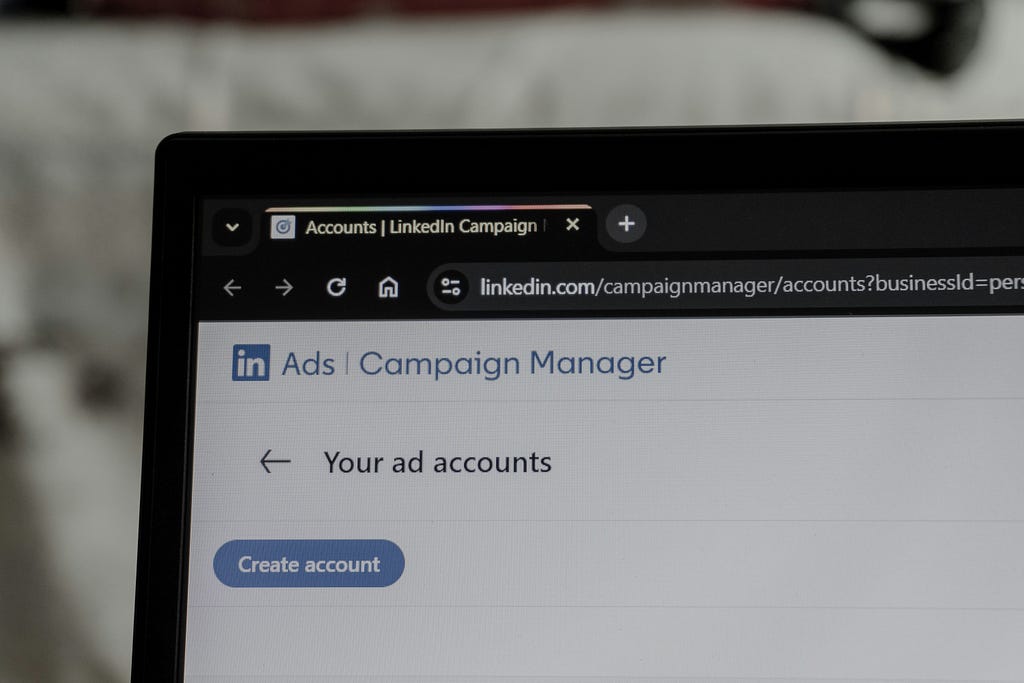
LinkedIn ads deliver an impressive 113% ROAS, and their share of B2B ad budgets grew from 31% to 39% in 2024, showing that LinkedIn is really leading the way in measurable B2B performance. You can create ad campaigns via the LinkedIn Campaign Manager, and also track conversions with real-time data. The analytics tools allow you to see how your campaigns are performing and what your audience demographics are.
To create a marketing campaign, you must choose the most appropriate goal for your business needs in the Campaign Manager.
- Awareness: Build recognition and visibility for your brand among your target professional audience.
- Consideration: Drive traffic to your website and encourage professionals to engage with your content and videos.
- Conversion: Generate qualified leads, drive website conversions, and attract top talent to your job openings.
The great news is you can easily control your costs - LinkedIn recommends starting with $25 for new advertisers and $50-$100 for existing advertisers using USD currency, or the equivalent of $25 for campaigns in other currencies. You have two flexible options: boost your existing organic posts for quick campaigns, or dive into creating new ads with more detailed technical settings.
The types of ads you can run campaigns with are as follows:
- Boosted posts: Amplified versions of your existing organic content that reach a broader audience beyond your current followers, offering a quick and simple way to increase visibility.
- Sponsored posts: Native ads that appear in your target audience’s feed, promoting your content to a wider professional network beyond your followers.
- Text ads: Simple ads that appear on desktop with a headline, brief description, and small image to drive traffic to your landing pages or content.
- Video ads: Video advertisements that play directly in the LinkedIn feed, designed to capture attention and drive engagement with visual storytelling.
- Sponsored messaging: Direct message ads sent to LinkedIn members’ inboxes, enabling personalized one-to-one communication with your target audience.
- Article / Newsletter ads: Promoted long-form content that appears as sponsored articles or newsletters, helping you establish thought leadership while reaching new readers.
- Dynamic text ads: Personalized desktop ads that automatically customize content using LinkedIn profile data like the viewer’s photo or company name.
- Thought leader ads: Ads that amplify posts from your company’s employees and executives, leveraging user-generated content to build trust and credibility.
- Event ads: Promotional ads designed to drive registrations and attendance for LinkedIn Events, webinars, or in-person gatherings.
Step 5: Make use of AI

AI-powered features have become essential tools within LinkedIn’s platform, transforming how professionals connect, recruit, and market their businesses. Profile and writing suggestions are offered for users to help them present themselves more effectively and optimize their profiles. Recruiters can use AI to generate job descriptions by inputting basic information, and can even generate InMail messages to reach out to candidates individually.
AI-Assisted search feature harnesses generative AI in LinkedIn Recruiter for optimal results, such as candidate and project searches. LinkedIn has also recently expanded its job search to more languages, so now Spanish, German, French and Portuguese-speaking users can utilize the platform’s advanced AI job assistant features.
Step 6: Use LinkedIn Analytics
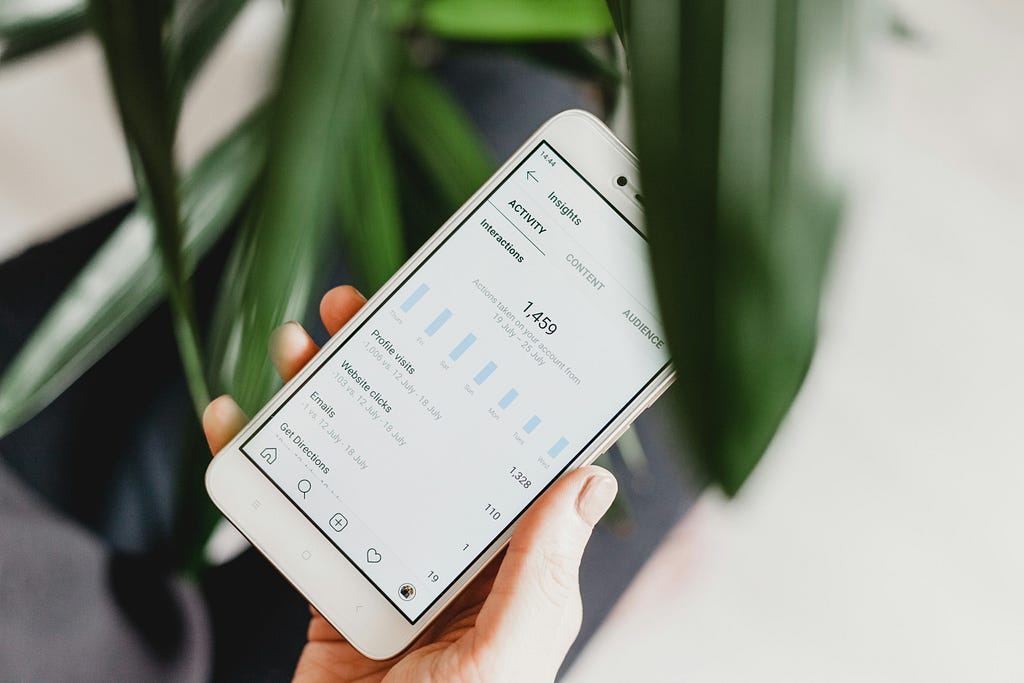
Tracking how your content performs is essential for improving your LinkedIn marketing strategy and maximizing ROI. Analytics give you crucial insights into whether your audience truly connects with your brand, which types of content get the most engagement, and how people interact with your messages throughout their journey. Without measuring your results, it’s tough to know what’s working well, what could be better, or where to focus your efforts for the biggest impact. This goes for both organic and paid strategies.
Recently, LinkedIn announced new rules for optimal B2B marketing measurement, which consist of 4 fundamental steps that create a comprehensive measurement framework:
- Define: Establish clear marketing objectives and key performance indicators (KPIs) aligned with your business goals, including setting SMART goals
- Capture: Implement tracking tools and measurement systems to collect relevant data
- Activate: Use insights from your data to optimize campaigns and make informed marketing decisions in real-time
- Measure & Maximize: Analyze performance results, calculate ROI, and continuously refine your strategy to improve outcomes
The most important LinkedIn statistics you need to measure fall into three categories - visitor, follower, and engagement. Some of these vital metrics include:
- Reactions: Total number of likes, celebrates, supports, loves, insightfuls, curious and funny reactions your content receives
- Impressions: How many times your content is displayed on users’ screens, regardless of whether they interact with it
- Page views: Number of times your LinkedIn company page is viewed by visitors
- Unique visitors: Count of distinct individuals who visit your page, removing duplicate views from the same person
- Visitor demographics: Breakdown of your page visitors by characteristics like job title, industry, location, and company size
- Shares: Number of times users repost or share your content with their networks
- Comments: Total number of comments left on your posts, indicating active engagement
- Engagement rate: Percentage of people who interacted with your content (reactions, comments, shares) relative to impressions
- Click-through-rates (CTR): Percentage of people who clicked on your content or links compared to total impressions
- Website views: Number of clicks from LinkedIn that drive traffic to your external website
- Total followers: Overall count of people who follow your LinkedIn company page
- Follower demographics: Breakdown of your followers by job function, seniority, industry, company size, and location
Conclusion
Mastering LinkedIn marketing in 2026 isn’t just about showing up on the platform anymore. It’s about strategically positioning your business where decision-makers are actively looking for solutions. By creating a robust LinkedIn presence, engaging authentically with your target audience, developing a content strategy that showcases your expertise, leveraging targeted ad campaigns, harnessing AI-powered tools, and tracking your performance with analytics, you’re setting your LinkedIn marketing strategy up for measurable success.
Remember, LinkedIn for business delivers that impressive 113% return on ad spend because you’re reaching the right people at the right time. The key is consistency and authenticity. Track what resonates with your audience, double down on what works, and don’t be afraid to experiment with new content formats, such as articles, videos, or newsletters.
Whether you’re focused on B2B lead generation, building brand awareness, or establishing thought leadership in your industry, LinkedIn provides direct access to over 1 billion professionals actively seeking business solutions, partnerships, and connections.
Ready to take your branding to the next level? Contact Black Pug Studio today for expert tips on brand success and digital strategy!
6 Steps for Dominating LinkedIn in 2026 was originally published in Creative by Black Pug Studio on Medium, where people are continuing the conversation by highlighting and responding to this story.