Answer Engine Optimization (AEO) is transforming how brands get discovered online in the age of zero-click answers. Whether you call it AEO, Generative Engine Optimization (GEO), or Generative Search Optimization (GSO), these terms all refer to the same strategic shift: optimizing your content so AI systems can easily understand, extract, and cite your brand when answering relevant queries. As more users turn to AI-powered platforms for instant answers, mastering answer engine optimization is becoming essential for maintaining digital visibility and brand authority.
At Black Pug Studio, we work with businesses every day to build digital experiences that perform across both traditional and AI-powered search. We’ve seen firsthand how the landscape is shifting, and this guide distils what we’ve learned into practical steps you can take right now.
In this article, we break down why AEO is essential for online visibility in 2026, and how it helps your brand show up in the places people increasingly trust for quick answers: ChatGPT, Gemini, Perplexity, Google AI Overview, and more. You’ll learn what answer engine optimization actually is, how it differs from traditional SEO, and which practical steps make your content easier for AI to understand, reference, and cite. If you want your business to be found in 2026 without relying on clicks alone, this is your playbook.
What is answer engine optimization, and why does it matter?

The fundamental goal of AEO is to maintain your commitment to producing relevant, valuable, and high-quality content while simultaneously shifting your strategic focus toward a new and emerging objective: enhancing your brand’s visibility and discoverability within AI-powered search engines and answer platforms.
Recent Adobe research reveals a dramatic shift in web traffic patterns: AI-driven referrals to websites surged more than tenfold in the United States between July 2024 and February 2025. Consumers also report using generative AI to make purchasing decisions - 36% of generative AI users replaced traditional search with AI assistants, and 18% use generative AI for tailored product recommendations. If you’re not optimizing for AI search engines and large language models (LLMs), you’re missing out on where your audience is actually looking.
Before we dive in, let’s be clear about something. Standard organic SEO is not dead, and AEO won’t replace it completely. AEO is developing alongside SEO and is considered an important strategy by SEO professionals. A Google spokesperson recently stated that you don’t need AEO or GEO to rank in AI Overviews - SEO remains the primary method for optimizing your website and content. Keep in mind that there are also no set rules for AEO, as it’s constantly evolving.
What’s the difference between AEO and SEO?

Search engine optimization (SEO) is all about getting your content to rank higher in traditional search results. The playbook is familiar: target the right keywords, build authoritative backlinks, and demonstrate expertise through quality content that follows E-E-A-T principles (Experience, Expertise, Authoritativeness, and Trustworthiness). For a deeper look at the essentials, explore our introduction to SEO.
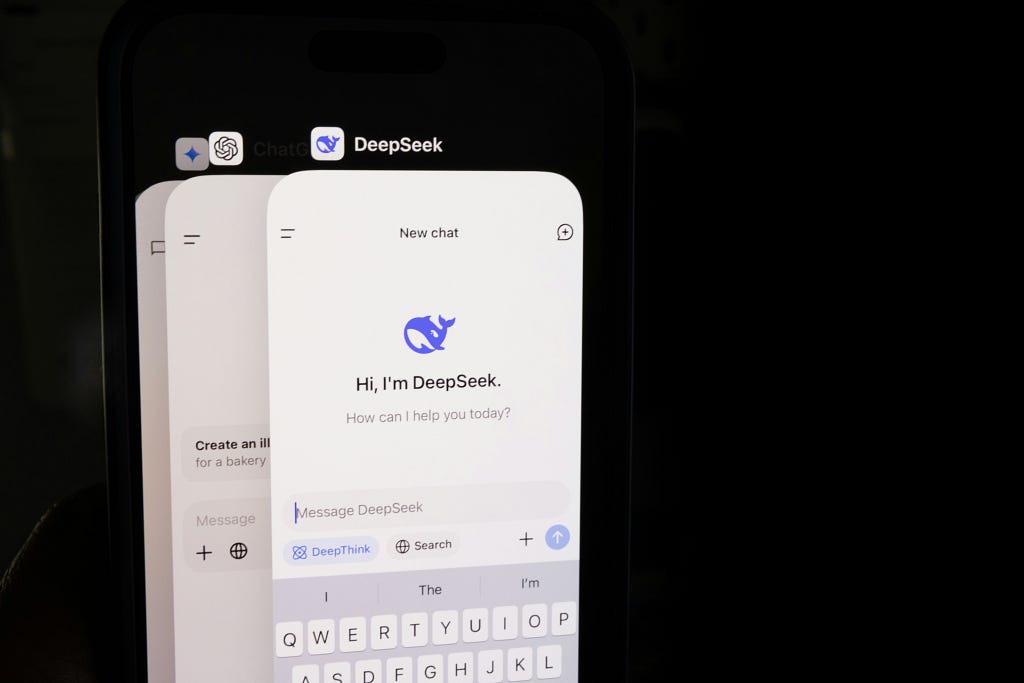
Answer engine optimization (AEO) takes a different angle. Instead of chasing rankings on a search results page, you’re optimizing to be cited by AI engines like ChatGPT, Gemini, Perplexity, and Google’s AI Overview. Your goal shifts from “click here” to “trust this source.” AEO still values E-E-A-T, but it adds new priorities: tracking which prompts trigger your brand mentions, building PR visibility across the web, and crafting content that’s dense with information yet easy for AI models to extract and reference.
Think of it this way: SEO asks, “How do I rank?” while AEO asks, “How do I get referenced?” Both matter, but they demand different strategies tailored to how humans browse versus how AI models synthesize and cite information.
Disadvantages of AEO
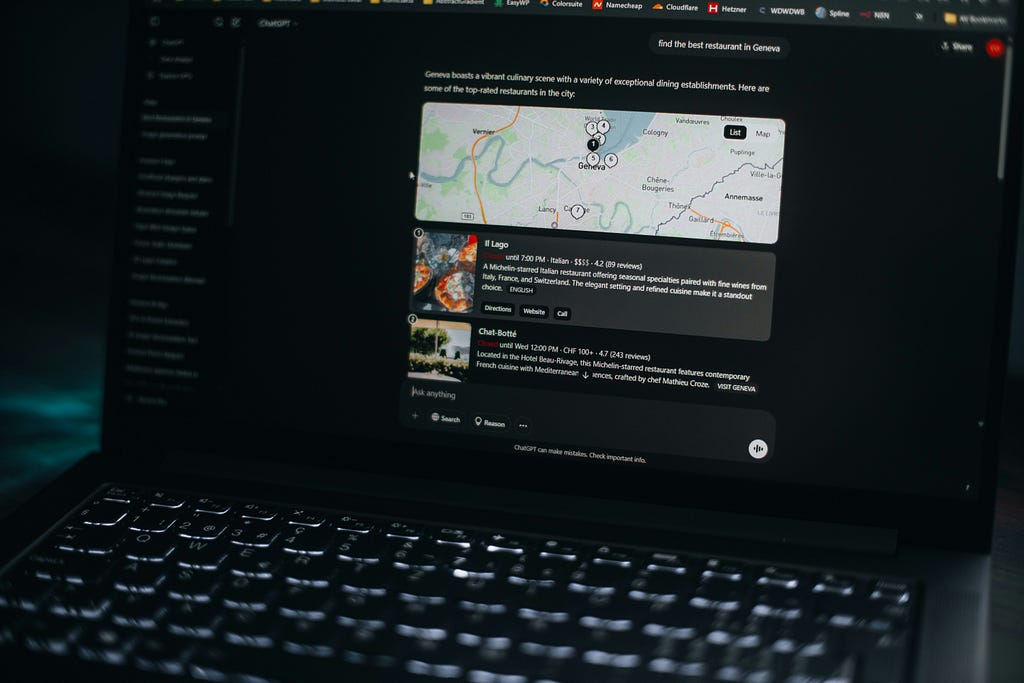
One inevitable consequence of AEO’s advancement is the rise in zero-click searches, which means fewer website visits. People are getting their answers straight from AI engines without needing to visit your site. It’s a bit of a balancing act - you want to be visible in AI results, even though it might mean fewer direct visits and conversions.
Another thing worth noting is prompt variability. Even when people are looking for the same information, they tend to phrase their questions in all sorts of different ways. This can make it tricky to predict and track which prompts will surface your content. Plus, AI engines often give slightly different answers each time you ask the same question, which adds another wrinkle to tracking your performance. The good news? You don’t need to overthink every individual prompt - focusing on broader patterns and trends is usually the way to go.
There’s also a tendency for brands to oversimplify their messaging when chasing those quick, AI-friendly answers. The trick is finding the sweet spot between being concise enough for AI to understand while still giving your audience the full picture they need. And just so you know, measuring exact ROI for AI visibility is still pretty challenging at this stage.
Finally, content freshness matters more than ever. AI models tend to favour recently updated, authoritative content. If your pages go stale, you risk losing citations to competitors who keep their information current. Building a regular update cadence into your content strategy is an important part of staying visible.
How do you optimize content for AI search engines?

AEO is all about helping AI systems find and share your answers when people ask questions. E-E-A-T principles really matter here, as they help AI models see your brand as credible and worth citing. When you build a strong presence online and stay active on social channels, you’re making it easy for AI engines to recognize and recommend your brand.
Local optimization is super important for getting noticed by AI. Make sure your Google Business Profile is up to date, ask satisfied customers for reviews, and keep your NAP (Name, Address, Phone) details consistent across the web. This way, AI engines feel confident citing your business when someone asks a location-based question.
When creating website content, think about long-tail queries - those natural, detailed questions people type into AI search engines. These platforms pull together thorough answers and highlight the sources they trust most. The best practice is to structure your content to answer common search queries directly. Use clear, question-based headers like “What is,” “How to,” and “Why” to help both users and AI engines quickly locate relevant information.
How you structure your content really makes a difference. Try using schema markup, clear hierarchical headings, bullet points, and FAQ sections so AI can easily read and reference what you’ve written. The simpler you make it for AI to grab your info, the better your chances of being featured as a go-to source. If you’re building or redesigning a website, consider working with a team experienced in web design and digital strategy to bake these structures in from the start.
Unique data is also a massive plus. Sharing original research, expert opinions, and fresh insights gives your brand extra credibility and value in the eyes of AI search engines.
FAQ
What does AEO stand for?
AEO stands for Answer Engine Optimization. It’s the practice of optimizing your content so AI-powered search engines like ChatGPT, Gemini, and Perplexity can understand, surface, and cite your brand in response to user queries.
Is AEO the same as SEO?
Not exactly. SEO focuses on ranking in traditional search engine results, while AEO targets visibility within AI-generated answers. They share core principles like E-E-A-T and quality content, but AEO requires a distinct approach tailored to how AI models process and reference information.
Does AEO replace SEO?
No. AEO is developing alongside SEO, not replacing it. Google has confirmed that standard SEO remains the primary method for optimizing your website. Think of AEO as an additional layer in your digital marketing strategy.
Which AI search engines should I optimize for?
The main platforms to consider are ChatGPT, Google AI Overviews, Gemini, Perplexity, and Microsoft CoPilot. Each pulls from quality web content, so strong foundational content benefits your visibility across all of them.
How do I track AEO performance?
You can monitor AI-driven referral traffic through Google Analytics or your web platform’s analytics. Specialized SEO tools like SEMrush can also help. Keep in mind that current analytics don’t separate traffic from Google’s traditional results and its AI features.
What type of content works best for AEO?
Content that is concise, well-structured, and information-dense performs best. Use clear headings, bullet points, Q&A formats, and long-tail conversational queries to make it easy for AI models to parse and cite your content.
How can I get my brand mentioned by AI engines such as ChatGPT or Gemini?
Focus on publishing comprehensive, expert-level content with clear structure and unique insights. Build consistent brand mentions across the web through PR, guest posts, and social channels. The more AI models encounter your brand as a trusted source, the more likely they are to reference you.
How do you track AEO performance?

Understanding your AEO performance starts with knowing where your traffic is coming from and which prompts are driving it. You can track traffic to your site using Google Analytics, your web domain analytics tool (Shopify, Squarespace, etc.), or specialized SEO tools like SEMrush and Ubersuggest. Tracking your brand mentions, as well as those of competitors, will help you surmise how visible your content is within AI-generated results and whether your AEO strategy is gaining traction.
Prompt tracking is particularly essential. By monitoring which queries and prompts trigger citations of your brand and URLs across AI platforms, you can identify what’s working and refine your content strategy accordingly. Tools like SEMrush, Ahrefs, and emerging AEO-specific platforms can help you track brand mentions, understand user intent patterns, and measure your share of voice in AI-generated responses.
Regular prompt audits allow you to spot gaps, double down on high-performing topics, and adapt as AI engines evolve their sourcing behavior. The best practice is to create a spreadsheet with each prompt for your top URLs and start tracking them daily.
However, keep in mind that current analytics don’t differentiate between traffic from Google’s traditional search results and its AI Overview or AI Mode - all Google search traffic is reported together, making it difficult to measure AI-specific impact.
Your AEO Action Plan
Ready to optimize your website for AI search? Follow these steps:
- Identify 5–10 high-intent questions your target audience frequently asks
- Create comprehensive answers using clear headings, bullet points, and structured formatting
- Implement schema markup and FAQ sections to help AI models parse your content easily
- Build brand authority through PR campaigns, guest contributions, and active social media presence
- Monitor and refine by tracking prompt performance weekly and keeping content current
Conclusion
Answer Engine Optimization isn’t replacing SEO - it’s building on top of it. In 2026, users expect instant, accurate answers, and AI engines prioritize brands that deliver clear, trustworthy information.
If you want to show up in ChatGPT, Gemini, Perplexity, and Google’s AI surfaces, focus on the fundamentals that machines and humans both value: clear structure, real expertise, and genuinely helpful content. Then strengthen the signals that make AI confident enough to reference you, including consistent brand mentions, unique insights, and smart distribution.
Start with a focused approach: pick a few important questions your audience is asking, create the best answers you can, and keep an eye on how they’re performing. Keep at it, and you’ll start seeing real results - more people recognizing your brand, stronger credibility in your industry, and leads that are actually interested in what you offer.
Want to show up where your audience is actually searching? Black Pug Studio helps you create high-performing websites optimized for both traditional search engines and AI-powered platforms - so you get found, cited, and trusted.
Contact us today for more information!
What is AEO: How to rank in AI Search Engines in 2026 was originally published in Creative by Black Pug Studio on Medium, where people are continuing the conversation by highlighting and responding to this story.