
Launching a brand-new website is an exciting and pivotal moment for any business or personal brand. For maximum impact, your website launch plan should cover search engine optimization (SEO), performance, user experience, and promotion. With Black Pug Studio, you can have a professionally designed, high-performing website that’s optimized for search engines and built to convert visitors from day one.
In this article, we’ll break down a practical website launch checklist covering the main aspects you need to address for a successful launch in 2026.
Step 1: Define Your Goals and Target Audience

Before you finalize a website and hit publish, you need to define what success looks like for your website launch and who you’re building it for. Making a plan ensures every design decision, piece of content, and feature aligns with measurable outcomes and resonates with the people you’re trying to reach.
Set Clear, Measurable Goals
Start by identifying what you want to achieve: generating leads, driving online sales, building brand awareness, or establishing thought leadership in your industry. These goals will guide every decision you make.
Get Crystal Clear on Your Target Audience
Understanding your audience’s needs, pain points, and search behavior shapes everything from your brand messaging to your SEO strategy. The better you know them, the more effectively your website will convert.
Map Goals to Content
Once you’ve defined your objectives and audience, map these insights to the pages and content you need:
- Service pages that address specific pain points
- Product pages optimized for conversion
- Landing pages for targeted campaigns
- FAQ sections that answer common questions
If you want to launch a website in 2026 with real traction, build around high-intent keywords that your audience actually searches for and are also brand-relevant. Reflect these phrases naturally throughout your on-page copy.
When you align your website goals with your target audience and match content to real search behavior, you launch with more visibility, better conversions, and a clearer growth path.
Step 2: Design a Website That Converts

Your website design is the first impression visitors get of your brand, and it directly impacts whether they stay, explore, and convert. Great web design in 2026 goes beyond aesthetics. It combines visual appeal with performance, accessibility, and user experience to create a site that looks stunning and delivers results.
Create a Strong Visual Identity
Your website should reflect your brand through consistent colors, typography, and imagery. Choose a modern design that feels fresh without dating quickly. Clean layouts, bold typography, and subtle animations add polish without overwhelming visitors. Balance prominent brand elements with white space.
Prioritize User Experience
Intuitive navigation is essential - it improves usability, expands your audience, and boosts SEO. Visitors should find what they need in three clicks or fewer. Structure your menu logically, use clear labels, and ensure your information hierarchy guides users naturally from general to specific content. Build with accessibility in mind by following WCAG standards: use sufficient color contrast, add alt text to images, ensure keyboard navigation works smoothly, and design for screen reader compatibility.
It’s also best to look for AI website builders with AI features that simplify the web design process, and include tools such as text generation, image creation, and personalized optimization recommendations to help you create a professional site faster and more efficiently.
Design for Speed and Performance
A beautiful website means nothing if it loads slowly. Test the website speed using tools such as PageSpeed Insights to diagnose any potential issues. Optimize all images and media by reducing size and quality, implement lazy loading for below-the-fold content, and keep your code clean and minimal. You should ideally aim for page load times under three seconds. Every second of delay increases bounce rates and hurts both user experience and search rankings.
Build Mobile-First
With over half of web traffic from mobile devices, design mobile-first and scale up to desktop. Ensure your site is fully responsive across all screen sizes, from smartphones to tablets to large monitors. Touch targets should be large enough for thumbs, text should be readable without zooming, and navigation should work seamlessly on small screens.
Optimize for Conversions
Every page should have a clear purpose and guide visitors toward action. Place calls to action (CTAs) strategically where users naturally look, using contrasting colors and action-oriented copy. Include trust signals like testimonials, case studies, and security badges to build credibility. Make sure your value proposition is clear and prominent above the fold so visitors immediately understand what you offer and why it matters to them.
Balance Content and Visuals
Remember, use white space intentionally to create breathing room and draw attention to key elements. Break up text with headings, bullet points, and relevant images. Create visual hierarchy through size, color, and placement to guide the eye through your content in a logical flow. A well-balanced layout makes your site easier to scan and more pleasant to read, not just by humans but also by bot crawlers and AI search engines.
When your design supports your goals, reflects your brand, and makes life easier for visitors, your website launch has a much stronger foundation for success.
Step 3: Optimize Your Website SEO
A website without search visibility won’t reach its potential audience. This is where search engine optimization (SEO) comes in. SEO encompasses multiple interconnected disciplines that work together to improve your website’s visibility. For a breakdown of technical SEO, on-page optimization, content strategy, and link building, check out our comprehensive SEO guide.
Conduct Comprehensive Keyword Research
Before launch, research keywords to optimize for both traditional search engines and AI-powered search tools. Focus on the specific terms and phrases your target audience uses when searching for solutions you provide, and use a mix of targeted short-tail, long-tail and location-based keywords. Ideally, aim for 1 primary target keyword per page, as well as a few related secondary keywords, and keep the content natural, avoiding heavy keyword density.
Create a Blog Content Pipeline
To boost visibility, write brand-relevant blog posts that drive interest and traffic to your website. Aim to have several posts - up to ten - written and ready to publish at launch. This gives your site immediate content authority.
Essential SEO Elements to Optimize
Optimizing your website involves a comprehensive approach to multiple technical and content elements. The following are the most critical on-page SEO components that require careful attention and optimization:
- Header tags: HTML elements (H1, H2, H3, etc.) that structure your content hierarchy and help search engines understand the organization and importance of different sections on your page.
- On-page copy: The written material on your pages should be well-structured, relevant, and include target keywords naturally to help search engines understand your topic and provide value to readers.
- Meta titles: The clickable headlines that appear in search engine results, typically 50 to 60 characters, that tell users and search engines what your page is about.
- Meta descriptions: Brief summaries (150 to 160 characters) that appear below the meta title in search results, providing a preview of your page content to encourage clicks.
- Alt text: Descriptive text with keywords added to images that helps search engines understand image content and improves accessibility for visually impaired users using screen readers.
- FAQ sections: Structured question-and-answer content that addresses common user queries, which is especially important for AI-powered search engines and featured snippets that pull direct answers from web pages.
Step 4: Website Tracking & Measuring
Set Up Tracking from Day One
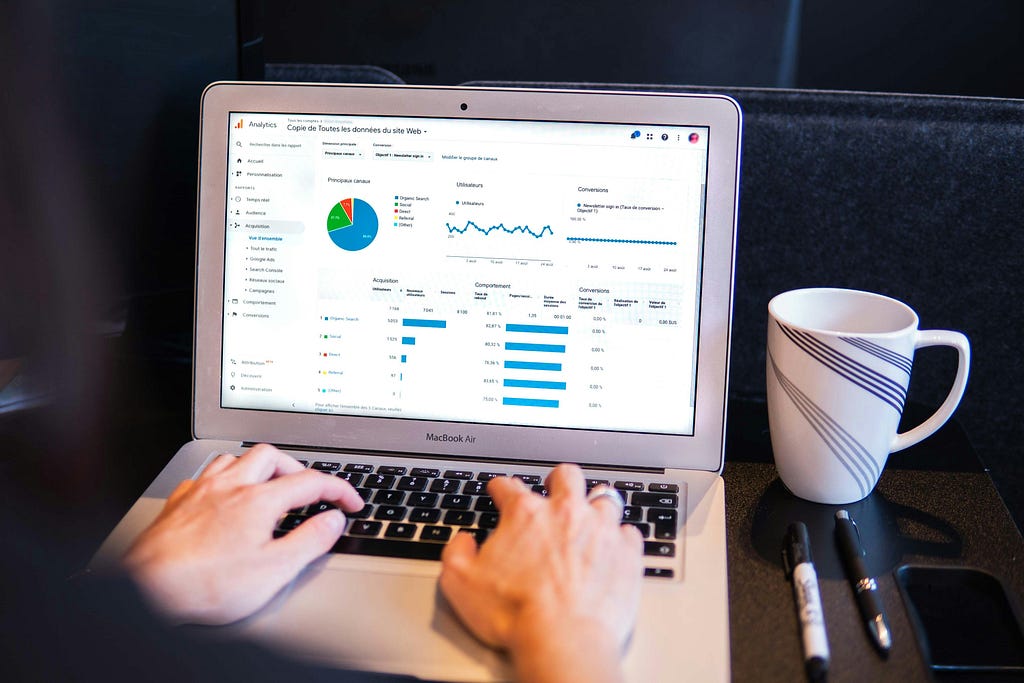
To measure your website’s success, install Google Analytics (GA4) and Google Search Console before launch. While many website builders offer basic analytics, these tools are essential for all website owners, providing real-time insights into what’s working and what needs improvement. Submit your sitemap through Search Console and ensure internal linking between key pages so Google can efficiently crawl and index your site.
Here’s what these powerful tools reveal about your website’s performance:
- GA4: Reveals how visitors interact with your site, their traffic sources, and engagement patterns
- Search Console: Shows search performance, working keywords, and technical issues requiring attention
Use Data to Drive Decisions
Leverage this data to refine your SEO strategy, identify high-performing pages, discover where users encounter obstacles, and make informed decisions about content and design improvements.
Gather Direct User Feedback
Complement analytics with qualitative insights from surveys, user testing, heatmaps (such as Hotjar or Microsoft Clarity), and feedback forms. This reveals the story behind the numbers - where users get stuck, which navigation elements need clarity, and what content gaps exist that data alone won’t uncover.
Step 5: Test Before Launch

Thorough testing is an essential step that helps you avoid embarrassing mistakes and potentially costly technical issues that could harm your website’s reputation and performance right from day one.
Make sure to carefully review and test the following critical elements before launching your website:
- Forms and CTAs to ensure they’re functioning correctly and capturing leads
- Links and buttons to verify that they direct users to the intended destinations
- Mobile responsiveness to guarantee a seamless experience across all device sizes
- Browser compatibility to confirm your site works properly in Chrome, Safari, Firefox, and Edge
- Website speed and page load times to meet user expectations and search engine requirements
Conducting a comprehensive website audit before going live allows you to identify and resolve any technical issues, broken elements, or user experience problems before search engines begin crawling your site and real users start interacting with it.
FAQ
What should I do before launching a new website?
Run a full pre-launch checklist: confirm your goals, check your SEO basics, test forms and links, and make sure the site is fast and mobile-friendly.
How long does it take Google to index a new website?
It can take a few days to a few weeks. Submit your sitemap in Google Search Console and ensure your key pages are internally linked so Google can find them quickly.
What are the most important SEO tasks before launch?
Set unique meta titles and descriptions, use clear heading structure, write helpful on-page copy, add descriptive alt text, and create an FAQ that answers real search questions.
Should I publish blog posts at launch?
Yes. Having up to 10 strong posts prepared and ready to publish gives your site early authority, targets long-tail keywords, and provides content to share in your launch campaign.
What tracking do I need on launch day?
Set up GA4, connect Google Search Console, and define conversions such as form submissions, purchases, or key button clicks so you can measure results from day one.
What should I test before I go live?
Test your forms, CTAs, checkout or booking flow, navigation, redirects, and site speed across devices and browsers.
Is paid advertising worth it for a website launch?
It can be, especially if you have a clear offer and a high-intent landing page. Start small, measure conversions, and scale what performs. You can choose from Meta ads, Google ads, YouTube ads, and much more.
What should I do after launch to keep momentum?
Publish consistently, monitor performance and errors, improve pages based on analytics, and keep promoting your best content across social, email, and partnerships.
What are common website launch mistakes to avoid?
Launching without tracking, skipping mobile testing, leaving broken links, having thin service pages, and forgetting to set up basic SEO elements like metadata and sitemap submission.
Step 6: Announcing the launch

Your website launch plan doesn’t end when you hit publish. Announcing your website launch is an exciting milestone. When you share the news, whether it’s through ads or email newsletters, tell the story of what’s new and why it matters. Let people know what’s changed with your site, who it’s designed to help, and what they can do next. Be sure to include a friendly call to action that invites people to explore, and don’t forget to ask for feedback. It’s a great way to keep improving and show your audience you value their input.
Social Media
Organic social media marketing is a fantastic, budget-friendly way to get people excited about your website launch. By organically connecting with the audiences you’ve already built and meeting your ideal customers where they already hang out online, you can spark genuine conversations, bring visitors to your site right away, and grow your brand presence - all without spending a dime on ads.

Choose the platforms your audience actually uses, then tailor your message and format for each one. The major social media channels include:
- Facebook: Share updates, behind-the-scenes content, and engage with your community
- Instagram: Post visually compelling stories, reels, and carousel posts highlighting your new site
- TikTok: Create short-form video content that showcases your brand personality and drives traffic
- Pinterest: A powerful evergreen visual search engine that can boost long-term organic traffic
- LinkedIn: Ideal for B2B launches, thought leadership, and professional networking
Use Canva or Adobe Express to create visually appealing posts that can be re-purposed across your channels. Link your website in your social media bios and direct your followers and viewers to it to build more traffic.
Paid Ads
Paid advertising can accelerate your website launch by putting your site in front of targeted audiences immediately. Platforms like Google Ads, Meta (Facebook and Instagram), LinkedIn, TikTok and Pinterest all offer powerful targeting options to reach your ideal customers.
Start with a modest budget and test different ad formats. A/B test your headlines, images, and calls to action to see what resonates. Focus your spend on high-intent landing pages with clear conversion paths, whether that’s a contact form, product page, or newsletter signup.
Track your cost per click (CPC), conversion rate, and return on ad spend (ROAS) closely. Scale up what works and pause what doesn’t. Even a small paid campaign during launch week can generate immediate traffic and valuable data about what messaging connects with your audience.
Newsletter
If you already have a subscriber list, announce your new website launch to them first. Your existing clients and subscribers are your most engaged audience and are most likely to share your announcement, visit your site, and provide valuable feedback.
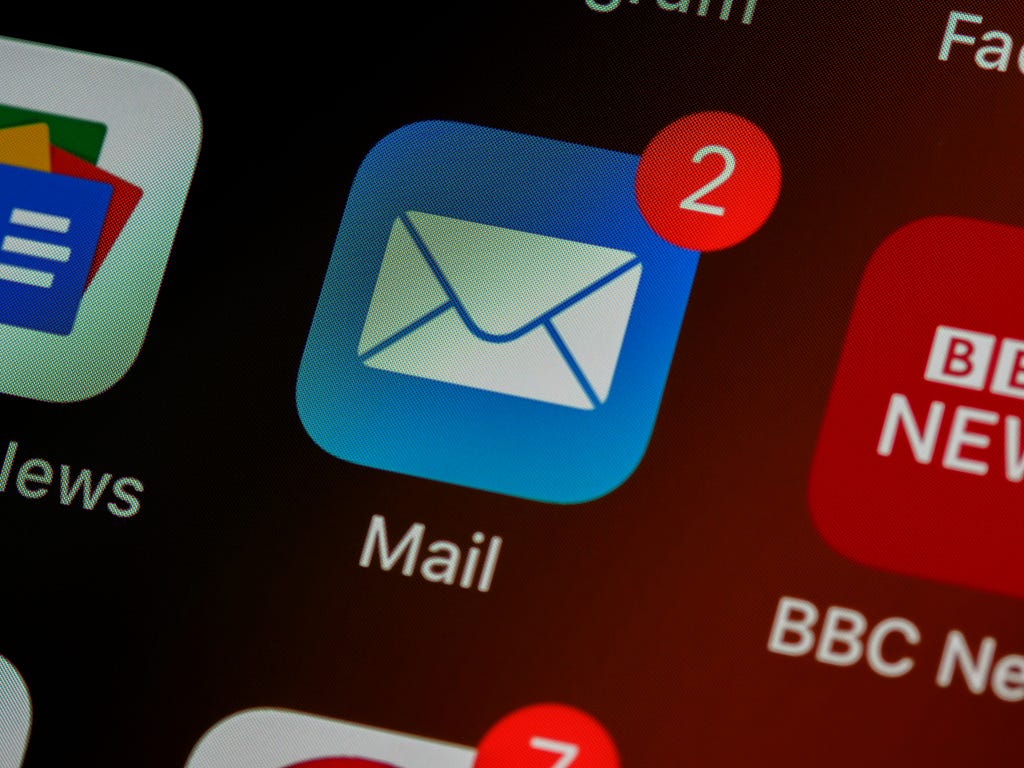
Craft an email newsletter that highlights what’s new, what problems your site solves, and what action you want readers to take. Use a compelling subject line like “We’ve launched something special” or “Explore our exciting new website.” Include screenshots or a short video walkthrough to give subscribers a preview of your website.
Consider sending a series of newsletters: a teaser before launch, the main announcement on launch day, and a follow-up highlighting specific features or content a few days later.
Blog Posts
Writing keyword-enriched blog posts is one of the primary ways to build organic visibility and boost traffic when launching your website. Though it depends on your goals, it is best to have around 10 or so high-quality posts ready to publish at launch, targeting different stages of your customer journey and a variety of relevant keywords.
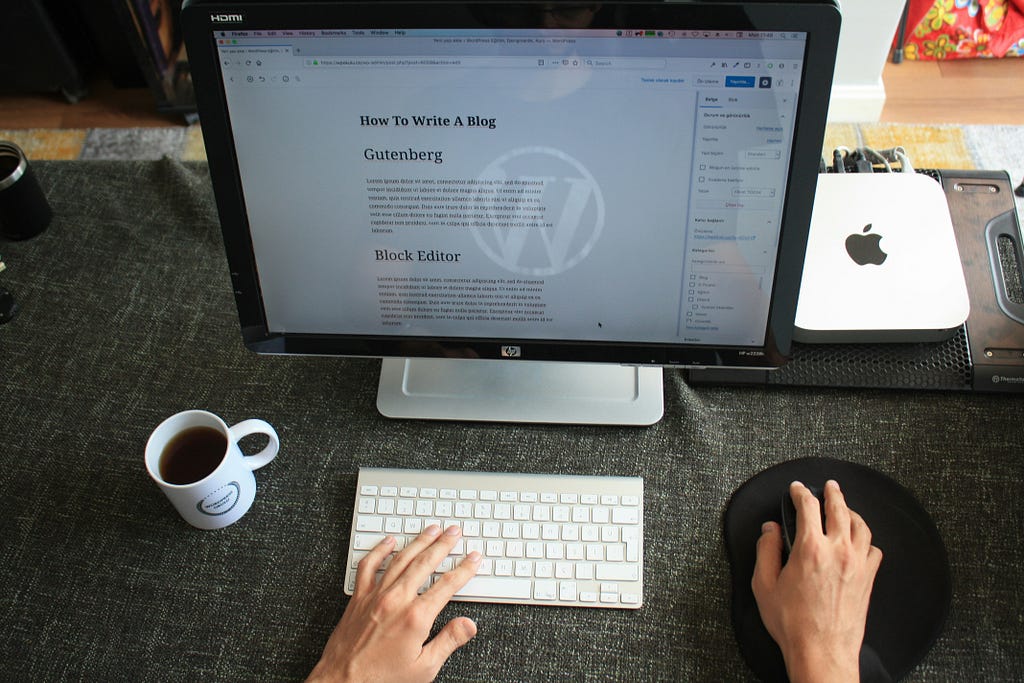
Focus on topics your target audience is actively searching for. Each blog post should provide genuine value, answer specific questions, and naturally link to relevant pages on your new site. This internal linking strategy helps search engines discover and understand your site structure while guiding readers to your key service or product pages.
After launch, maintain a consistent publishing schedule. Regular, quality content signals to search engines that your site is active and authoritative, which can boost your rankings over time
Influencer Partnerships and Guest Content
Influencer collaborations can give your website launch an instant boost by putting your new site in front of an audience that already trusts the messenger. The key is choosing creators whose values and followers genuinely match your target audience, rather than selecting the ones with the most followers, then giving them a clear story to tell about what is new and why it matters. When it feels authentic and measurable, influencer content becomes a traffic driver, a credibility signal, and a source of real feedback you can use to improve the site fast.

Beyond influencers, consider reaching out to fellow business owners and content creators for guest blogging opportunities or podcast appearances. These efforts introduce your new website to fresh, engaged audiences while strengthening your backlink profile, which signals authority and relevance to search engines.
Conclusion
A successful website launch in 2026 requires careful planning, meticulous attention to detail, and a well-coordinated promotion strategy. When you start by setting clear goals you can actually measure, make sure your SEO basics are all in place, turn on your tracking tools from day one, and test your site the way a real visitor would, you’re giving your new website the best possible start and setting it up for success down the road.
Once you’ve pressed publish and your site is live to the world, it’s crucial to maintain that initial energy and keep building on your launch momentum. Keep that excitement going by continuing to share the story behind your new website, posting fresh and helpful content regularly, and using the insights from your analytics and user feedback to make your site even better over time. Remember that a website should never be viewed as a finished product; instead, it needs to grow, adapt, and evolve alongside your business as your needs change and your audience expands.
If you want to create a stunning website and turn your launch into measurable growth, Black Pug Studio can help! Get in touch, and we will make sure your new site launches with confidence and performs long after day one.
Website Launch Checklist 2026: A Step-by-Step Guide was originally published in Creative by Black Pug Studio on Medium, where people are continuing the conversation by highlighting and responding to this story.