

Small and medium-sized businesses, also known as SMEs, face more challenges when it comes to online visibility. Large enterprises traditionally have greater competitive advantages in most aspects, mainly due to larger company size, more access to resources and higher budgets.
But not to worry: there are plenty of ways your business can overcome these challenges and successfully compete with your larger competitors. And one of the best and easiest ways to get brand recognition is through social media strategies - building your platform and community through major channels such as Facebook, Instagram, TikTok, or LinkedIn.
Here’s proof of that: major social platforms now drive over 60% of product discovery, compared to 34.5% via Google. And for Gen Z, social is even more trusted: 52% say they trust brand or product info they find on social media more than what they see on Google or from AI chatbots.
At Black Pug Studio, we work with businesses of all sizes, and we’ve seen firsthand how a smart social media strategy can level the playing field. Some of the most memorable, scroll-stopping content out there comes from small businesses that know exactly who they are and aren’t afraid to show it. Digital marketing is not only accessible and budget-friendly, but with a good content strategy, the algorithms put your brand exactly where your audience is already scrolling.
In this article, we’re breaking down the top social media marketing tips for small businesses that will help you reach your target audience and position your brand as a confident, credible alternative to the big players.
Find Your Niche: The Smartest Small Business Social Media Strategy
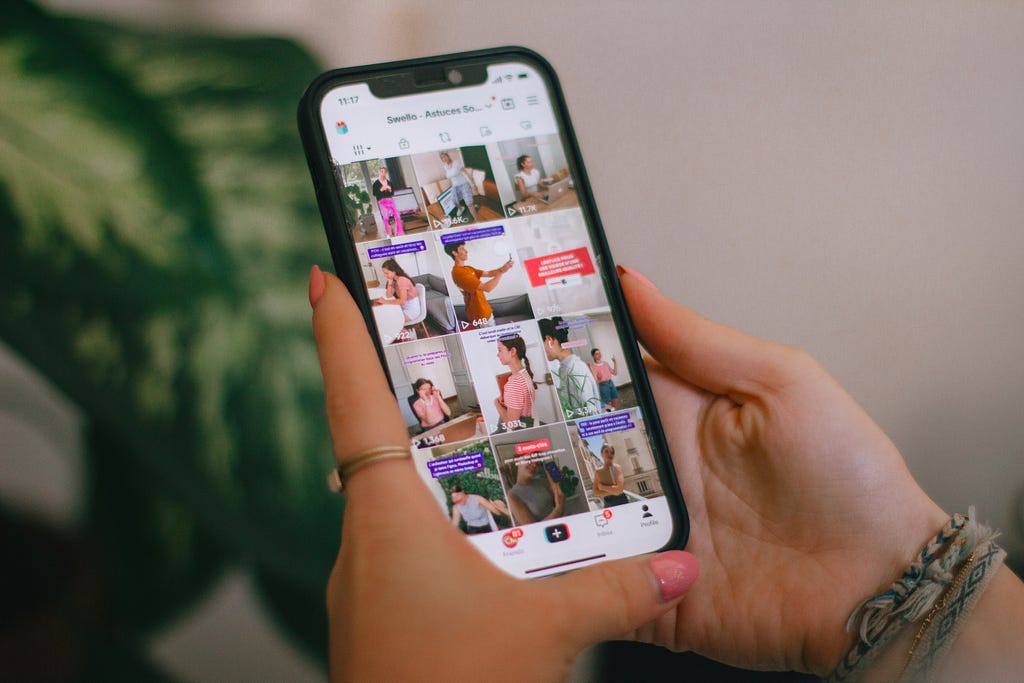
In an overcrowded digital landscape, having a clear niche is one of the most powerful small business marketing strategies you can adopt. Rather than trying to appeal to everyone, niche marketing allows you to zero in on a specific target audience and speak directly to their needs, interests and pain points. This kind of focused brand positioning helps your business stand out, even when you’re up against competitors with much bigger budgets.
A strong brand identity starts with knowing what makes your business different and who you want to reach. Match that clarity to the right channels, and your content will land with the people who matter most. For instance, a handmade jewelry brand often performs best on Instagram or Pinterest, while a digital marketing consultant may get better results on LinkedIn.
That focus simplifies your entire social media marketing strategy. Instead of spreading yourself thin across every platform, you can concentrate your efforts where your ideal customers are most active. This means better engagement rates, more meaningful interactions and a stronger return on your time and investment.
Here are a few ways to lean into your niche on social media:
- Define your ideal customer. Build a clear picture of who you’re creating content for. Think about their demographics, challenges and what kind of content they engage with most.
- Choose your platforms wisely. Not every social media platform will suit your brand. Focus on the channels where your target audience spends their time and where your content format shines.
- Create content pillars. Establish 3 to 5 core topics that align with your niche and rotate your content around them. This keeps your messaging consistent and builds authority in your space.
- Create high-quality posts. Visually appealing social media posts that reflect your niche help your brand maintain a consistent, polished look across all channels. Tools like Canva and Adobe Express provide templates to help you get started.
- Engage in niche communities. Join relevant groups, hashtags and conversations on platforms like Facebook Groups, LinkedIn or Reddit. Showing up consistently in these spaces builds trust and brand visibility within your niche market.
How Your USP Helps You Stand Out on Social Media
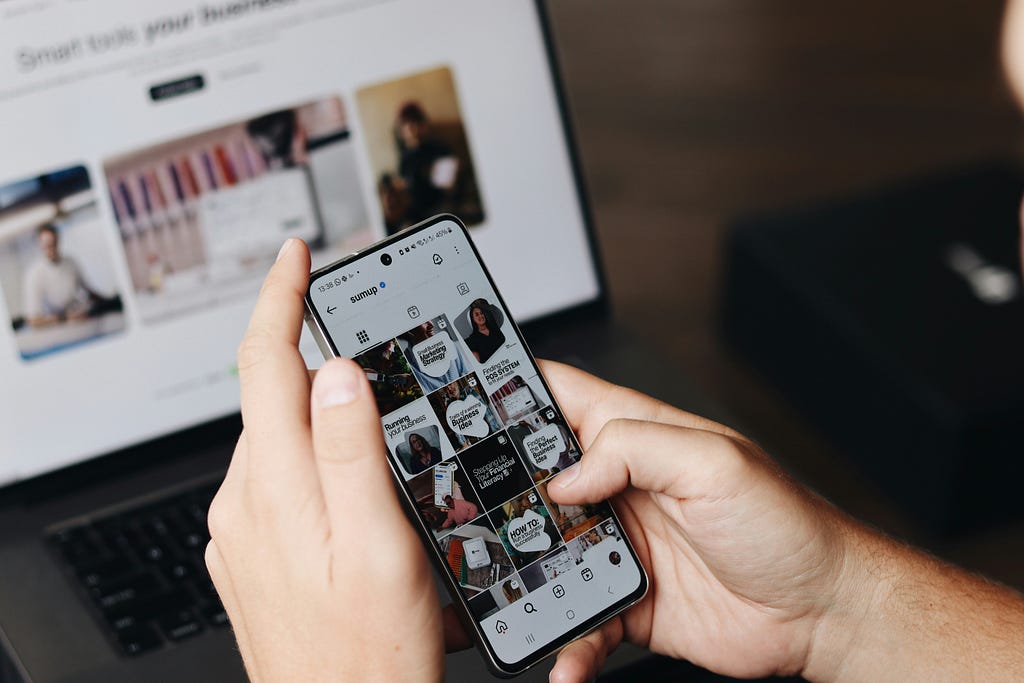
Your Unique Selling Point (USP) is what will help your small business thrive on social media and distinguish itself from the competition. Use your online presence to highlight your authority in a specific niche or industry, which is a great strategy for building your brand’s reputation.
Think about what makes you different and why your audience should trust your brand over bigger competitors. Do you offer a more personalized service, faster response times, or a product that fills a gap left by larger brands? Whatever your competitive advantage is, make it a core part of your social media strategy. Weave it into your captions, your visuals and your bio to reinforce why customers should choose you.
Leverage User-Generated Content (UGC) as Social Proof

When potential customers are deciding whether to trust your brand, they’ll look to what other people are saying about you first. That’s why customer reviews, testimonials and user-generated content should be central to your digital marketing efforts. 93% of marketers who leverage user-generated content in their marketing strategies have stated that UGC performs better than traditional branded content.
Encourage happy customers to post about your business on their socials and to tag you or use brand-related hashtags. You should also encourage them to leave positive ratings on Google, Facebook or industry-specific platforms. Then share all that positive feedback across your social media channels.
UGC, like reviews, tagged posts and customer stories, acts as powerful social proof that can influence purchasing decisions. For small businesses competing with big brands, authentic word-of-mouth marketing on social media is one of the most effective and budget-friendly ways to build credibility and grow your audience.
Build Trust with Authentic, Relatable Content

Here’s the thing: people don’t follow brands on social media because they want to see polished corporate messaging. They follow brands that feel real. Your potential customers are far more likely to trust a brand that has a refreshing, authentic presence on social media.
Use simple, direct language with a conversational tone so your posts connect with your audience on a personal level. Lean into storytelling to humanize your brand, build trust and forge deeper connections that inspire action. Share the wins, the process and even the occasional behind-the-scenes blooper.
One of the best and easiest ways to do this is through stories on platforms like Facebook and Instagram. Use them to share quick updates, exciting announcements, content teasers, behind-the-scenes vlogs or even candid moments captured on your phone. The idea is simple: show your followers a snapshot of who you are and what your brand stands for, and encourage them to engage through DMs or by responding to poll and Q&A stickers.
Social Media Advertising Tips for Small Businesses
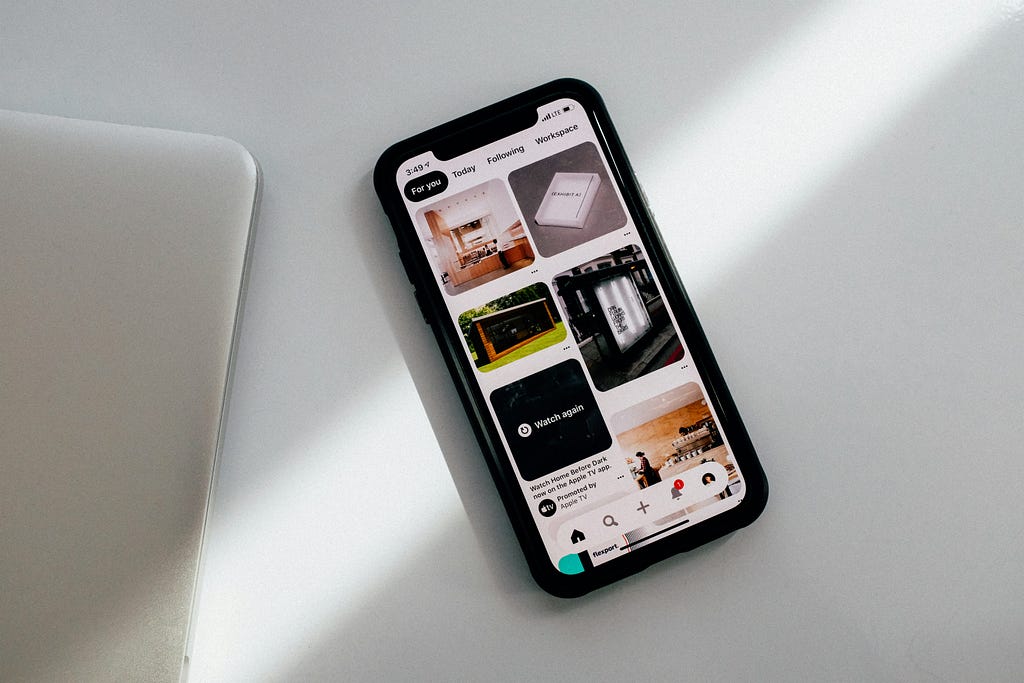
Organic reach alone can only take you so far. Using paid ads to push your content in front of your target audience is a powerful strategy for gaining higher visibility, especially when you’re competing against brands with more established followings. The beauty of paid social media marketing is that it’s generally cost-effective, supports a wide range of formats and encourages direct user engagement.
Ads blend seamlessly into feeds, looking very similar to organic posts, which makes them a less disruptive way of reaching your audience. For smaller brands working with tighter budgets, social media ads are one of the smartest ways to compete with bigger players.
The major channels that support advertising include:
- Meta Ads: Run campaigns across Facebook, Instagram, Messenger and Threads, giving you access to a wide-ranging audience. Meta’s detailed targeting options let you narrow down by location, interests, behaviors and even lookalike audiences based on your existing customers.
- TikTok Ads: Perfect for reaching younger audiences with short-form, creative video content. TikTok’s algorithm favors engaging content over follower count, so even newer brands can see strong results with the right creative.
- X Ads: Best suited for real-time engagement, trending conversations and driving traffic through promoted text posts. This can be particularly effective during events, product launches or industry conversations.
- Pinterest Ads: Supports product discovery and inspiration, making it ideal for lifestyle, fashion and design brands. Promoted Pins blend seamlessly into user feeds, driving natural engagement.
- LinkedIn Ads: Ideal for reaching a professional audience, particularly for B2B marketing and thought leadership content. LinkedIn’s targeting by job title, industry and company size makes it a powerful tool for service-based businesses.
How to Maximize Your Social Media Ad Spend
Social media ads involve a lot of experimentation, so start with small-scale campaigns before committing larger budgets. Here are a few best practices to keep in mind:
- Start with a clear objective: Whether it’s brand awareness, website traffic or lead generation, defining your goal upfront helps you choose the right ad format and measure success.
- Use high-quality visuals: Eye-catching images and videos with clear CTAs encourage users to click through. Polished but relatable content tends to outperform overly corporate visuals.
- A/B test your creatives: Run two or more variations of the same ad to see what resonates best with your audience. Test different headlines, images, copy lengths and CTAs.
- Retarget warm audiences: Use retargeting to reach people who’ve already visited your website or engaged with your content. These users are more likely to convert because they already know your brand.
- Monitor and optimize regularly: Review your ad performance weekly, adjust targeting, pause underperforming ads and shift your budget toward what’s working.
Brief FAQ
What social media platforms are best for small businesses?
It depends on your niche and where your audience already spends time. Instagram and TikTok work well for visual products and short-form video, Facebook is strong for local businesses and community groups, and LinkedIn is ideal for B2B services. Focus on one or two platforms to start, post consistently and grow from there.
How can a small business compete on social media without a big budget?
Focus on what big brands often lack: authenticity, personality, speed and community. Use behind-the-scenes content, founder-led posts, customer stories and niche expertise to build trust, and respond quickly to comments and DMs to create genuine connections.
What type of social media content works best for small businesses?
Content that is helpful, relatable and specific to your audience’s needs. Think quick tips, tutorials, before-and-after transformations, customer testimonials and storytelling about your process. Short-form video, especially on TikTok and Instagram Reels, is often the fastest way to build reach.
Are social media ads worth it for small businesses?
They can be very effective, but success takes experimentation. Start by boosting your top-performing organic posts to extend their reach, then test dedicated ad campaigns with small budgets. Track metrics like clicks, leads and conversions to see what delivers results.
How do I know if my social media strategy is working?
Track the metrics tied to your business goals: website clicks, purchases, email sign-ups, customer inquiries or engagement stats like saves and shares. Tools like Meta Business Suite, Google Analytics and platform-native insights make this straightforward.
Conclusion
Social media success isn’t reserved for brands with the biggest budgets. By leaning into your niche, creating content that feels genuine to you, building a real community and spending smart on ads, your small business can earn the kind of trust and loyalty that even the largest competitors struggle to replicate.
Remember, real results take consistency and patience, so you won’t see a massive boost in numbers immediately. But brands that show up on social media with purpose, personality and a clear message are the ones that win their audiences over and keep them coming back.
Select the social media platforms your niche fits best and where your audience already exists, focus on creating authentic content your potential customers actually want to see, and don’t be afraid to experiment. You might be surprised how quickly a small brand with a big personality can make an impact.
Ready to take your digital brand strategy to the next level? Whether you need a stunning website, a stronger brand identity, a tailored digital marketing plan, or cutting-edge AI services, Black Pug Studio has you covered.
Get in touch with us today for a free 30-minute discovery call, where we talk through your challenges and come up with a solid blueprint.
Small Business Social Media: How to Compete with Big Brands was originally published in Creative by Black Pug Studio on Medium, where people are continuing the conversation by highlighting and responding to this story.