
Nearly 60% of Google searches now end without a click. This statistic has been further accelerated by Google’s AI Overviews, providing direct answers to user search queries, as well as featured snippets, knowledge panels, and AI-powered search engines.
SEO in 2026 is no longer just about ranking number 1 on SERPs. So what is the real game now? It's ensuring your brand shows up in AI-generated answers, voice search results, and zero-click environments.
The search bar has evolved. It now synthesizes content, evaluates its value, and influences buyers before they ever visit your site. AI-powered search engines decide which sources are credible enough to cite and which content fragments to quote in their answers.
At Black Pug Studio, our priority is to help businesses navigate this exact transition through powerful AI tools and AIEO strategies. Here are five practical ways you can use AI to supercharge your SEO strategy right now.
1. AI-Powered Keyword Research & Intent Mapping
Let’s make it clear here: keywords themselves aren’t dead. Rather, how we find and use them has changed. AI tools now go beyond volume and competition to map intent clusters and predict emerging search trends. Tools like Ahrefs, SEMrush AI, Surfer SEO, and Frase now offer AI-automated keyword suggestions and content briefs for top-ranking pages.
Google’s March 2026 core update reinforced a clear priority for high-quality content over exact-match keywords, a stronger emphasis on E-E-A-T, and more precise matching of search intent. With that in mind, the best tactic is to use AI to identify long-tail, question-based keywords for voice search and AI queries (e.g., “What are the best social media practices for small businesses in 2026?”). Additionally, it’s best practice to cluster keywords by search intent, namely informational, transactional, commercial and navigational, rather than just the topics.
At Black Pug Studio, AIEO is at the core of how we approach search visibility for ourselves and our clients, as we believe that understanding how AI engines discover, analyze, and surface content is just as important as traditional keyword strategy. If you want to learn more about how this works in practice, we break it all down in our AIEO guide, covering zero-click answers, brand visibility, and how to position your business for AI-powered search.
2. Smarter Content Creation & Optimization

AI writing tools are getting sharper every day, but they can’t carry your content alone. The winning formula is AI-assisted drafts combined with genuine human expertise, storytelling, and original insight. That’s what gives your content a unique, personable angle and helps you stand out. Notable tools for smarter content creation include ChatGPT (ideation, outlines, schema markup, FAQs), Surfer SEO (on-page scoring), Clearscope (content optimization), and Rankability.
In general, AI works best for outlines, clustering, and optimization rather than full writing content generation. Adobe’s April 2026 article highlights that visibility now depends less on page position and more on whether a brand is cited within AI-generated responses.
So how do you put this into practice? Focus on these strategies:
- Use AI to generate comprehensive content briefs and outlines, then layer in real-world experience and brand voice.
- Optimize for extractability, in which you structure content so that AI systems can pull clear, quotable answers (use lists, Q&A sections, concise definitions).
- Incorporate schema markup (FAQPage, HowTo) to increase chances of being cited in AI Overviews.
3. AI Visibility Tracking & Generative Engine Optimization (GEO)
The AIEO shift has given rise to a whole new category of tools designed to track whether AI search engines like ChatGPT, Perplexity, Gemini, or Google AI Overviews actually mention your brand. This is Generative Engine Optimization (GEO) in action, and it’s quickly becoming a discipline in its own right. Think of GEO as the natural next step beyond traditional rank tracking, except now you’re measuring where your brand shows up in AI conversations, not just on results pages. Leading tools in this space include Profound AI, Scrunch, SE Ranking’s AI Overview Tracker, Rankscale, and SemRush.
To start making GEO work for you:
- Start tracking AI citations alongside traditional keyword rankings.
- Monitor which competitors appear in AI Overviews for your target queries.
- Optimize entity mentions by making sure your brand name, services, and key terms appear in context-rich sentences AI can parse.
4. AI-Enhanced Technical SEO & Site Structure
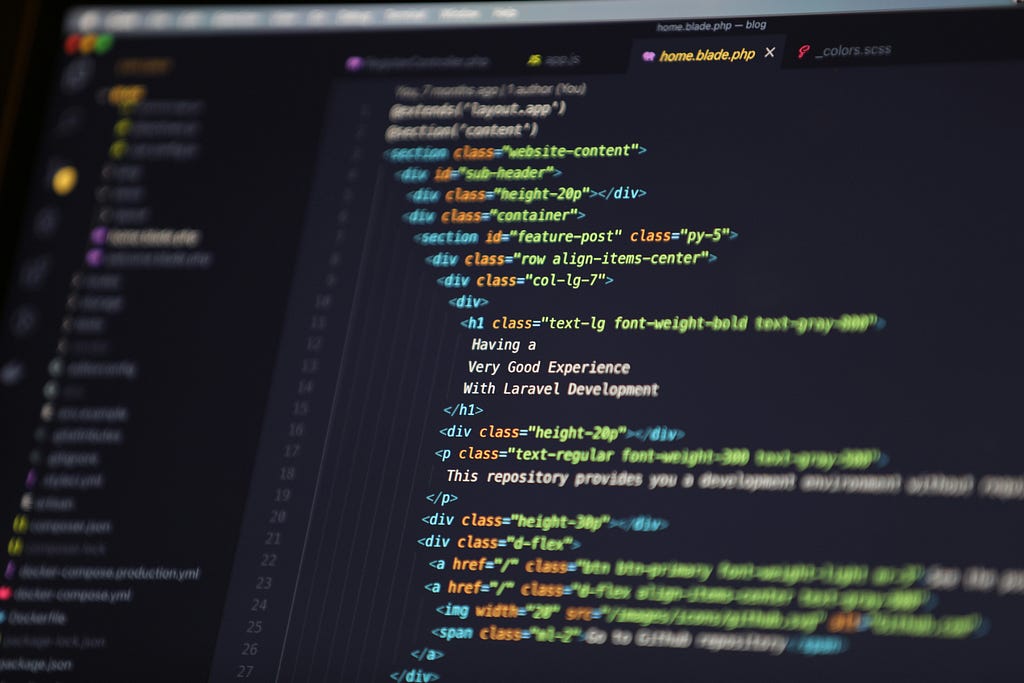
Think of AI search engines as meticulous architects. They don’t just read your words; they parse your entire site structure. Semantic HTML, structured data, and clear content hierarchy are now critical ranking signals for both Google and AI platforms. Google’s AI mode, launched in 2025, makes Google Search behave more like ChatGPT, as it pulls structured answers directly from web pages.
Suffice to say, the websites built with clear structures and semantic clarity are the ones that are winning in search results. This is further outlined in our piece on designing for AI, where we have outlined tips on website structure for AI search.
When it comes to making your site AI-friendly, you should focus on these structural essentials:
- Use AI audit tools (SEMrush, Ahrefs) to automate crawlability checks, Core Web Vitals analysis, and schema validation.
- Implement structured data (Organization, LocalBusiness, FAQPage, HowTo) across key pages.
- Ensure your site is “AI-ready” with a clear heading hierarchy (H1, H2, H3 etc), accessible navigation, and fast load times.
5. AI-Driven Performance Tracking & Predictive Analytics

If you’re still measuring SEO success by sessions and bounce rate alone, it’s time for an upgrade. In today’s search landscape, where AI answers satisfy queries before users even click, you need a broader lens. That means tracking brand mentions, AI citations, and multi-platform visibility right alongside your organic traffic numbers. Tools like SEMrush AI, Google Analytics 4 with AI insights, and AI visibility dashboards such as Profound and SE Ranking make this possible.
Search is very likely moving toward zero-search discovery in the near future, where AI delivers results before users actively search. These answers would be based on context, user history and anticipated users’ needs. Marketers who start tracking and adapting now will be well-positioned when that shift arrives.
To stay ahead of the curve with performance tracking:
- Set up AI citation tracking alongside your regular SEO dashboard.
- Use AI-powered predictive analytics to forecast content performance and spot emerging trends before competitors.
- Track CTR trends and measure share of voice in AI responses, not just click-throughs, as AI answers satisfy more queries directly.
Frequently Asked Questions
Q: Is traditional SEO dead in 2026?
No. Traditional SEO still matters, but it’s evolving. You now need to optimise for both search engine rankings and AI-generated answers to stay visible.
Q: What is Generative Engine Optimization (GEO)?
GEO is the practice of optimising your content so AI platforms like ChatGPT, Perplexity, and Google AI Overviews cite and reference your brand in their responses.
Q: Do I need expensive tools to start using AI for SEO?
Not necessarily. Free tiers of tools like ChatGPT, Google Analytics 4, and Google Search Console offer a solid starting point. You can scale up to premium tools as your strategy matures.
Q: How do I know if my brand is being mentioned by AI search engines?
Use AI visibility tracking tools such as Profound, SE Ranking, or SemRush to monitor whether your brand appears in AI-generated search results and overviews.
Q: What’s the single most impactful change I can make right now?
Structure your content for extractability. Use clear headings, concise definitions, Q&A formats, and schema markup so AI systems can easily pull and cite your content.
Conclusion
AI isn’t replacing SEO. It’s rewriting the rules. The businesses winning in 2026 are the ones treating AI as a strategic partner across every stage of their search strategy, from keyword research and content creation to visibility tracking and performance analytics.
The good news? You don’t need to overhaul everything overnight. Pick one or two of these approaches, test them, and learn what works for your audience. The key is to start using AI to supercharge your SEO strategy now, because your competitors likely already are. Small, smart moves today will put you miles ahead of those still playing by yesterday’s playbook.
Ready to future-proof your search strategy? Let’s build your AI-ready SEO approach together. Feel free to send us a message about your project, and let’s talk about how we can build an AI-ready SEO approach tailored to your business.
Interested in AI services? Book a free discovery call with us!

If you’re interested in implementing practical AI tools in your team workflow but don’t know where to begin, we would love to hear from you. At Black Pug Studio in Galway, we offer a free 30-minute discovery call to discuss your challenges, explore where AI might genuinely help, and give you an honest picture of what’s realistic: no obligation, no hard sell, just a useful conversation. You can also explore more of our thinking on AI and multiple other topics on our blog.
5 Ways to Use AI to Supercharge Your SEO Strategy in 2026 was originally published in Creative by Black Pug Studio on Medium, where people are continuing the conversation by highlighting and responding to this story.