
What if your website could automatically redesign itself for every single visitor? In 2026, AI is transforming web design from static pages into dynamic, personalized digital experiences, and the trends driving this shift are all about putting humans back at the center.
Implementing AI into your web design workflow has never been easier. From hyper-personalized user journeys to agentic assistants that guide visitors like a concierge, AI empowers designers to build smarter, more intuitive products without burning hours on repetitive manual work. At Black Pug Studio, we’re seeing these shifts firsthand as we help businesses harness AI to create smarter, more impactful digital experiences.
Design and development tools like Figma let you test layouts, voice commands, and AI-powered assistants with minimal friction, making modern web design more interactive, more memorable, and a whole lot more fun for users.
Here are seven notable AI web development trends to keep an eye on in 2026, and why they matter for your business or agency.
1. AI-Driven Design Workflows
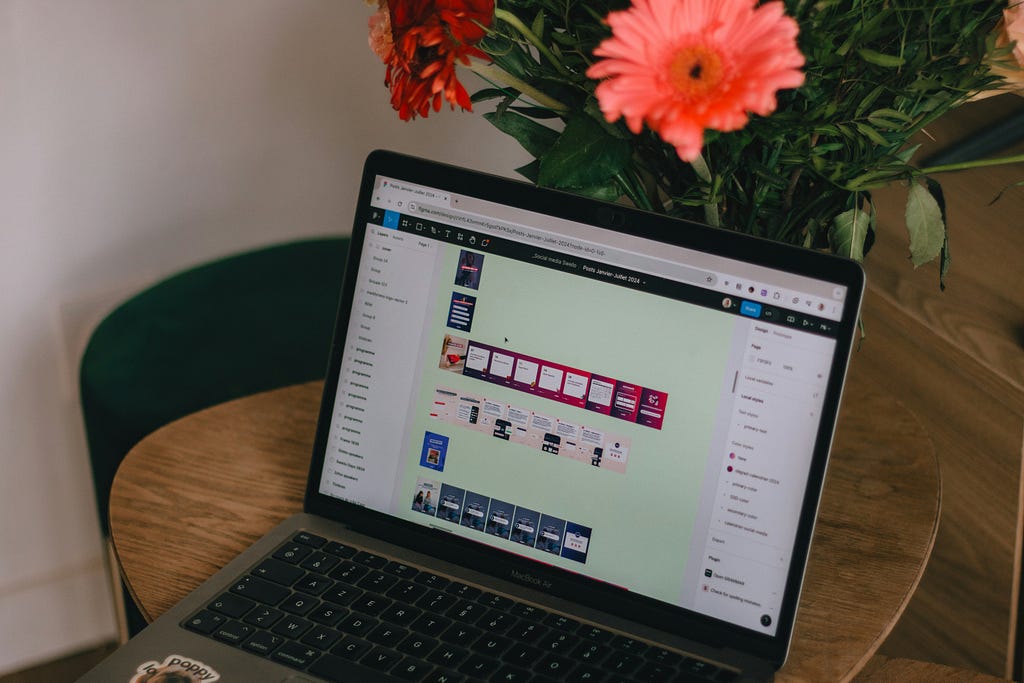
The Figma 2025 AI report revealed that 68% of developers say AI improves their work quality, meaning AI has now become a functional work partner rather than a novelty. It sorts through the mess and leaves behind clean, usable components, allowing designers to focus on what matters the most: the creative, human-centric processes.
Think of AI as a full-time collaborator who takes on the middle-management admin tasks that consume most of your time as a designer, smoothing out your project workflow so you can do your best thinking. If software like Figma Make isn’t within your budget, consider starting with smaller-scale AI tools, such as Notion AI, to streamline your process.
2. AI-Powered Personalized User Journeys
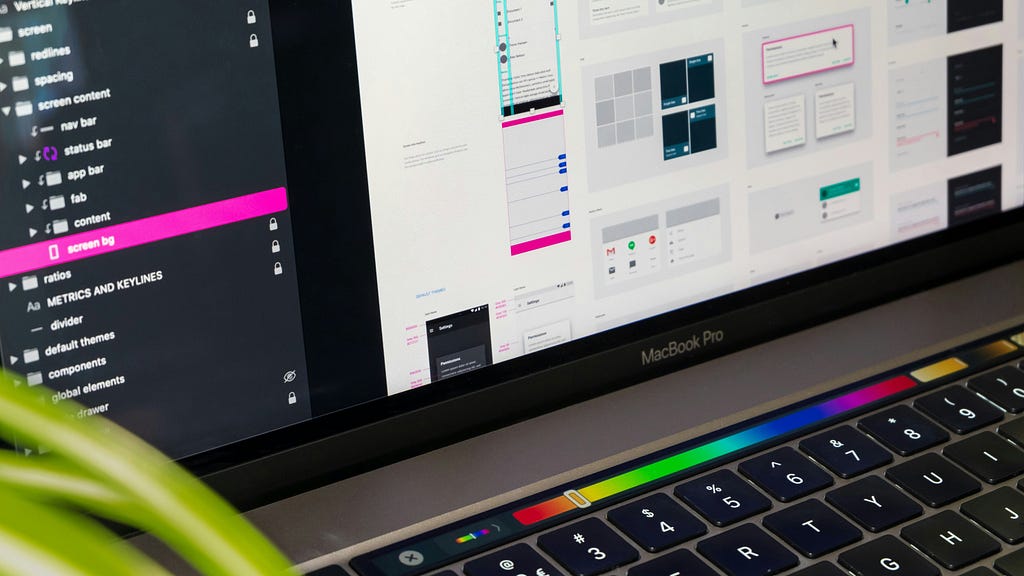
It’s now possible for users to land on a website that’s specifically designed to know already what they’re looking for. AI can analyze real-time visitor behavior, such as scroll patterns, click paths, and time spent on each section, to dynamically restructure layouts and surface the most relevant content for every individual user. It could be a site that rearranges its homepage based on whether a visitor is a first-timer browsing casually or a returning customer searching for a specific product.
Website refinement based on user data is revolutionizing the user experience, as instead of a one-size-fits-all homepage, visitors get a tailored experience that evolves with each interaction. AI-driven personalization engines can adjust navigation menus, reorder page sections, and swap out hero images, resulting in better user satisfaction, improved services, and a website that stays relevant long after publication.
3. Generative AI Visuals in Web Design
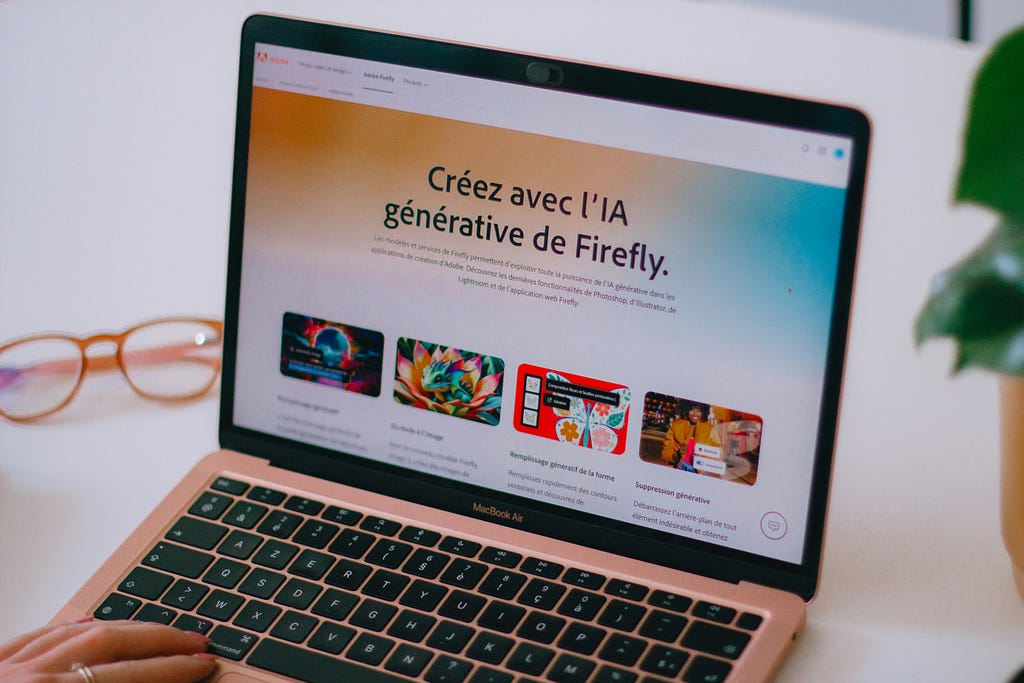
Generative AI is leading the way in the ideation and production process for web designers. Tools like Midjourney, Figma AI, and Adobe Firefly allow teams to go from concept to visual in minutes rather than hours, making it easier than ever to explore bold creative directions without boosting the budget.
But generative visuals aren’t just about speed. They also serve as a launchpad for creative inspiration and help set a brand apart from the sea of stock photos flooding the internet. Think custom illustrations generated from a brand’s color palette, or hero graphics that adapt in real time based on a visitor’s preferences. The key is using AI as a creative collaborator, not a replacement for human taste and judgment.
4. AI-Driven Adaptive Color Schemes
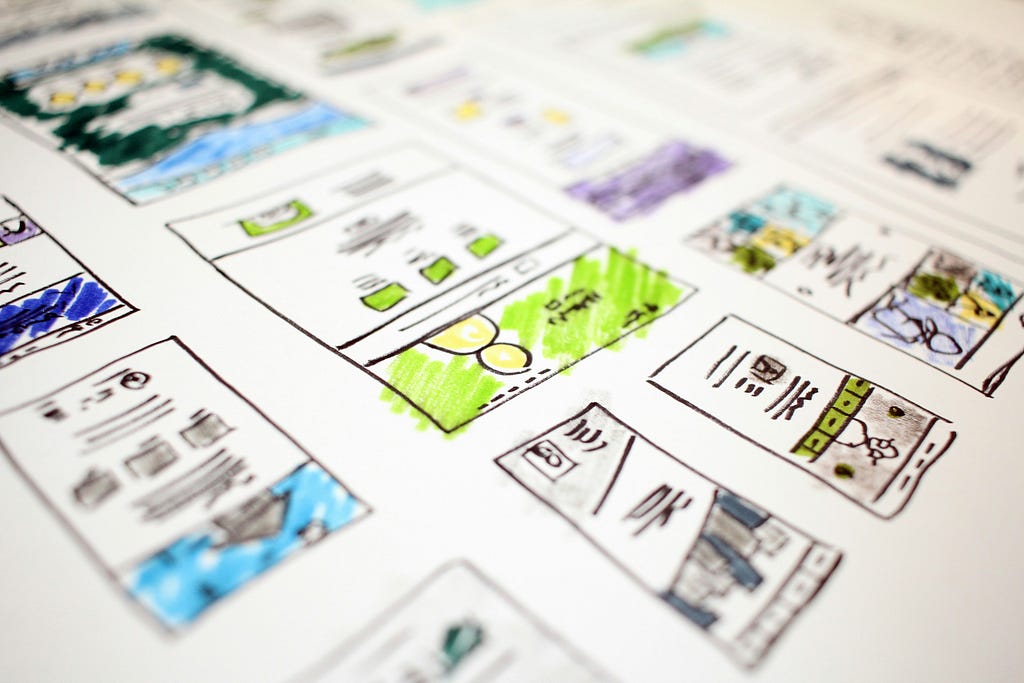
AI is bringing a new level of intelligence to color in web design. Adaptive color schemes use machine learning to adjust palettes dynamically based on user preferences, device settings, time of day, or even accessibility needs. A visitor using dark mode at midnight gets a completely different (and more comfortable) visual experience than someone browsing on a bright screen at lunchtime.
Beyond user comfort, AI tools can now analyze which color combinations drive the most engagement for specific audiences and suggest palettes optimized for conversion. Adaptive color gives designers the best of both worlds: striking visuals that also perform.
5. AI Chatbots and Agentic Assistants
According to Figma, agentic AI is the fastest-growing product category among their users as of 2025. It was reported that 51% of surveyed Figma users were creating agents for their AI products that year, compared to just 21% in 2024, and this trend will probably continue to accelerate.
Today’s AI chatbots are proactive, conversational and fully capable of handling multi-step tasks like booking appointments, processing returns or guiding users through complex product catalogues. What makes agentic AI a genuine web design trend is how deeply they’re being embedded into navigation itself. Rather than sitting in a corner waiting to be clicked, AI assistants now guide users towards the content they’re searching for as a natural part of the browsing experience.
Building agentic AI tools comes with its own unique set of challenges. They understand context, remember previous interactions and can hand off seamlessly to a human when needed, and to do this, product builders need to think critically about how to effectively deploy an agent. For businesses, AI agents mean fewer drop-offs and a customer support experience that feels genuinely helpful rather than frustrating.
6. Voice-Activated Interfaces

Voice navigation has become far more advanced and now goes well beyond basic search. In addition to accessibility benefits, hands-free navigation, and personalized help, voice-activated interfaces let users control site features, interact with chatbots, and browse menus entirely through spoken commands.
This is especially significant for mobile-first design, as an increasing number of users are multitasking on their phones. Voice-activated interfaces remove friction and make websites feel more like intuitive conversations than static pages, so web designers are now building voice into the core UX from the start rather than treating it as an afterthought.
7. AI-Powered Accessibility Optimization

AI is making accessible design easier and more comprehensive than ever. Automated tools can now scan entire websites for WCAG compliance issues, generate descriptive alt text for images, adjust contrast ratios on the fly and even restructure content for screen readers, all without requiring manual audits for every single page.
This matters because accessibility isn’t just a legal requirement; it’s part of what makes a good design stand out. AI tools lower the barrier to building inclusive user experiences, which means more businesses can reach wider audiences without needing a dedicated accessibility specialist on staff. In 2026, the expectation is that every well-designed website is an accessible one, and AI is helping make that a reality.
Frequently Asked Questions
How is AI changing web design in 2026?
AI is transforming web design from static pages to dynamic, highly personalized user experiences. Advanced tools like agentic assistants allow websites to adapt to user needs in real time, creating more engaging and intuitive browsing.
Will AI replace human web designers?
Not at all. AI is a powerful collaborative tool that automates repetitive manual tasks so designers can focus on what matters most: human-centered creative strategy and storytelling.
What is an agentic AI assistant?
Unlike traditional chatbots, agentic assistants are embedded in a website’s navigation and built to proactively guide users through complex multi-step tasks like troubleshooting, booking, or product discovery.
How can AI improve website accessibility?
AI tools can automate accessibility checks, generate alt text, adjust contrast ratios, and audit for WCAG compliance. This is more cost-effective for businesses that want to ensure their websites are fully inclusive and user-friendly.
How do personalized user journeys work in modern web design?
AI-driven personalization engines analyze visitor behavior in real time, dynamically customizing layouts and content for every individual user based on how they interact with your website.
Conclusion
Cutting-edge AI is shaping web design trends in 2026, and at Black Pug Studio, we’re committed to harnessing these trends and staying ahead of the curve. AI tools like Figma Make act as a collaborative partner in every step of the web design process, transforming basic, static websites into highly responsive, personalized experiences for online users. Staying on top of these trends is vital for any business looking to stand out online, whether it’s through accessibility optimization, agentic assistants, or adaptive colour schemes. For any business looking to stand out online, the question isn’t whether to embrace AI in your web design process, but how quickly you can start.
Interested in AI services? Book a free discovery call with us!

If you’re interested in implementing practical AI tools in your team workflow but don’t know where to begin, we would love to hear from you. We offer a free 30-minute discovery call where we can discuss your challenges, explore where AI might genuinely help, and give you an honest picture of what’s realistic. No obligation, no hard sell, just a useful conversation. You can also explore more of our thinking on our blog.
7 Web Design Trends Being Shaped by AI in 2026 was originally published in Creative by Black Pug Studio on Medium, where people are continuing the conversation by highlighting and responding to this story.