It’s midnight, and you’re a designer staring at a blank mood board, burned out with a deadline closing in fast. This is the exact type of situation where a creative assistant can lend a hand, which is, of course, AI.
According to the AI Economy Report 2026, a research project carried out by Trinity College Dublin and Microsoft, the use of artificial intelligence saves up to 1000 hours monthly for medium-sized businesses, and even goes up to 5000 hours for larger corporations. This proves that AI is bringing real value to companies.
While AI software is becoming better at imitating humans, it can’t replace actual creative professionals. Instead, its main purpose is to help fan the innovative spark, especially when it comes to branding, and that is exactly what AI agents can do best.
Partnering with AI is a sure way to brainstorm and streamline branding strategies for designers and marketers, which is why at Black Pug Studio, we consider it fundamental to our projects. In this article, we will outline real, practical ways you can partner with AI on brand development and strategy.
Why Creatives Get AI Wrong
The same worry lingers in everyone’s minds, especially creatives, and it is that AI flattens originality and turns every brand into a bland, unoriginal copy of the next. It is a valid concern, but it actually misses what AI does best. AI tools have no unique taste or nuanced point of view when it comes to human-centered creativity. What they have is speed and the ability to generate countless options you can react to.
Think of AI less as a replacement designer and more as a brainstorming partner that can work around the clock and help you overcome creative blocks. You are still the one in control, and you get to be the one who decides what works or what belongs in the bin. At Black Pug Studio, we like to view it as a loyal sidekick that can help you shape ideas. The creative spark still comes from you; AI can just help you get there faster.
Making Mood Boards in Minutes
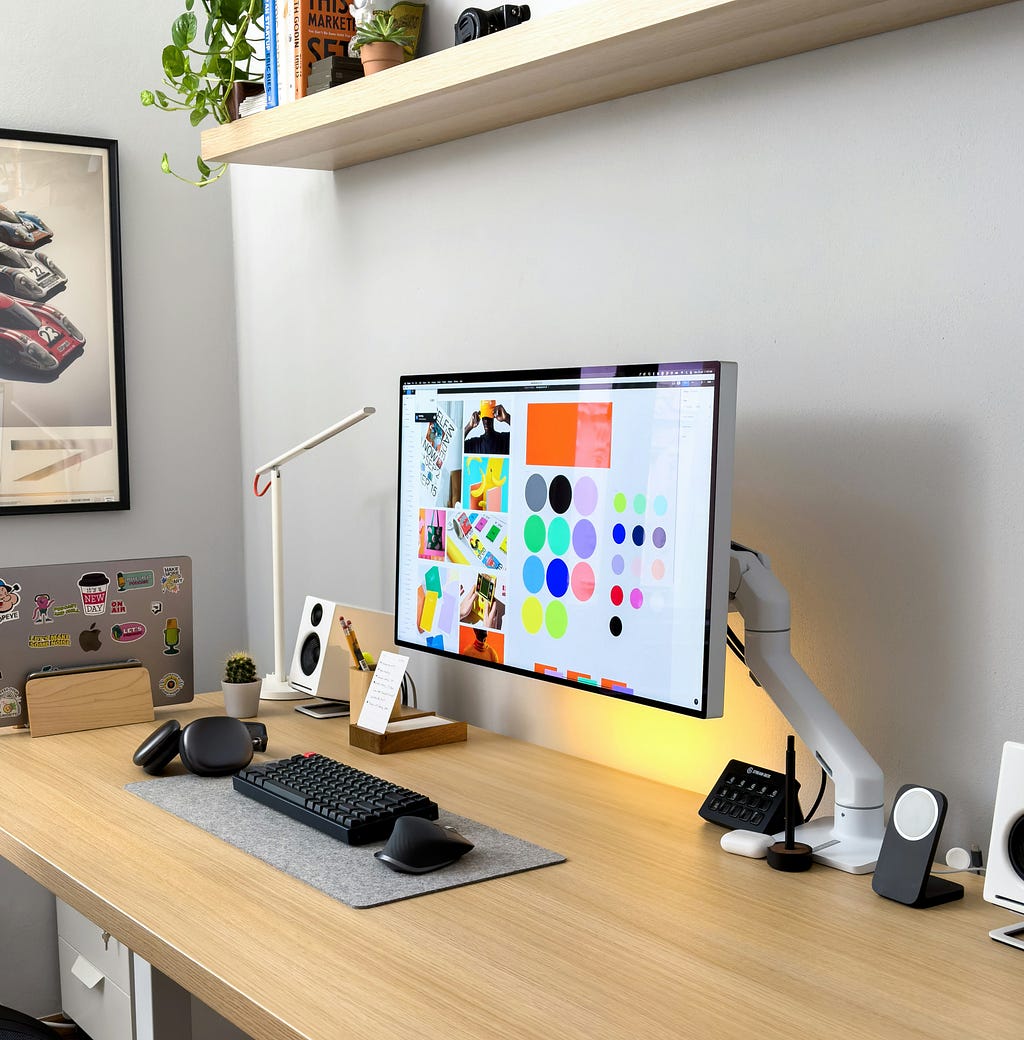
A mood board used to mean hours of scrolling through Pinterest, saving screenshots, filling up a Canva template, only for you to second-guess your direction. AI image and inspiration generative tools, such as Adobe Firefly and Midjourney, collapse that into mere minutes. Feed a tool a handful of relevant brand keywords, a few audience traits, and a few emotion-based words, and you will be given a wide variety of visual directions to choose from.
Unlocking the full potential of AI generation lies in the prompt. Instead of “modern logo,” try something like “bold, playful branding for an Irish tech startup, warm color palette, confident yet approachable.” The more context you give around the audience, feeling, and personality of your brand, the closer the output lands. In a real studio workflow, this speeds up early concepting dramatically. You can explore five directions in the time it once took to nail down one, which means more room to experiment and more options to put in front of a client.
Using AI for Competitor Analysis
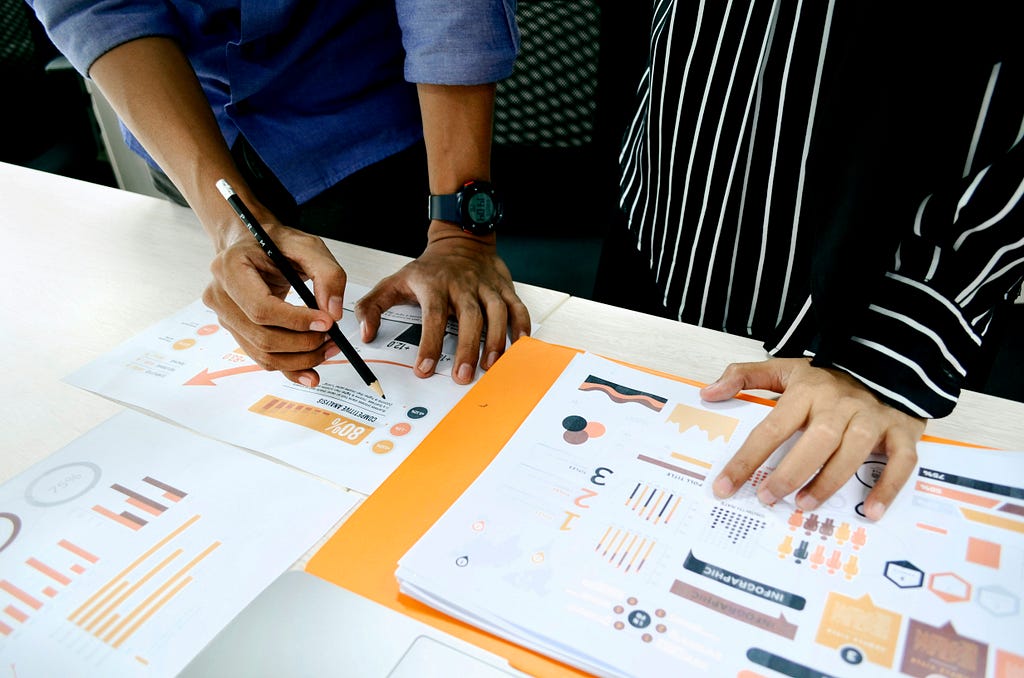
AI is also a prime tool for analyzing your competitors, as it can easily research branding, tone and positioning. AI search engines like Claude, Perplexity and ChatGPT can now give a detailed overview of competitors and suggest how to build a branding strategy that counters them. You can ask it to identify the gaps you can fill, such as the branding messages, product offerings, or social media strategies.
One caution is worth repeating, which is ensuring you validate everything against real market knowledge. AI is still not perfect, and it can confidently describe a competitor that no longer exists or invent a positioning angle out of thin air. Use it to map the landscape quickly, then bring your own human research, critical thinking and instinct to confirm what is actually true.
Kickstart Your Brand Identity with AI
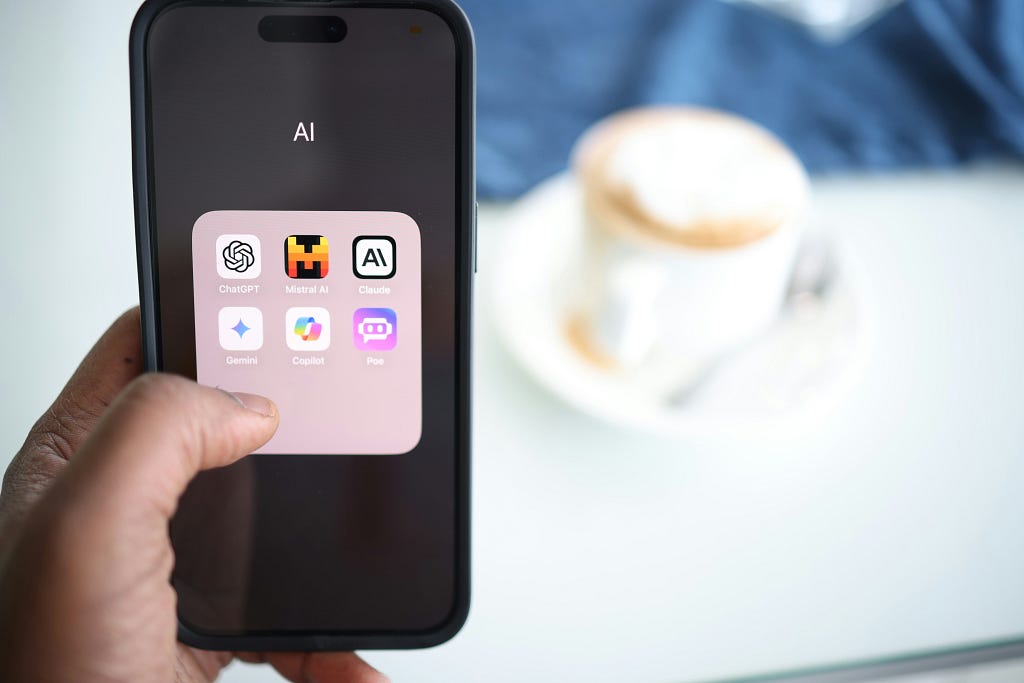
With AI, sparking fresh ideas for naming, taglines, voice, and messaging is easier than ever. This is where AI earns its keep as a creative foil: supporting deeper strategic thinking while not replacing the human element. If you’re stuck on a name, just ask for twenty options in different styles, then remix those into twenty more that lean playful, and then twenty ideas that have a premium focus. You are not searching for the finished output; you are searching for the spark that will ultimately shape your ideas.
You can also use AI to pressure-test an identity against different audiences. Paste in your tagline and ask how it reads to a few specific personas, for example, a cautious small-business owner versus a trend-hungry Gen Z founder. The contrast tells you whether your message is landing or drifting, so you know exactly what to sharpen.
Here is a simple three-step prompt loop you can copy:
- Generate: Prompt for a wide batch of raw branding ideas with plenty of variety in terms of tone and messaging.
- Refine: Choose your favorites and ask AI to push them further in one clear direction.
- Pressure-test: Ask how each option lands with your exact target audience, then choose and refine based on your own critical judgment.
Where the Human Still Leads
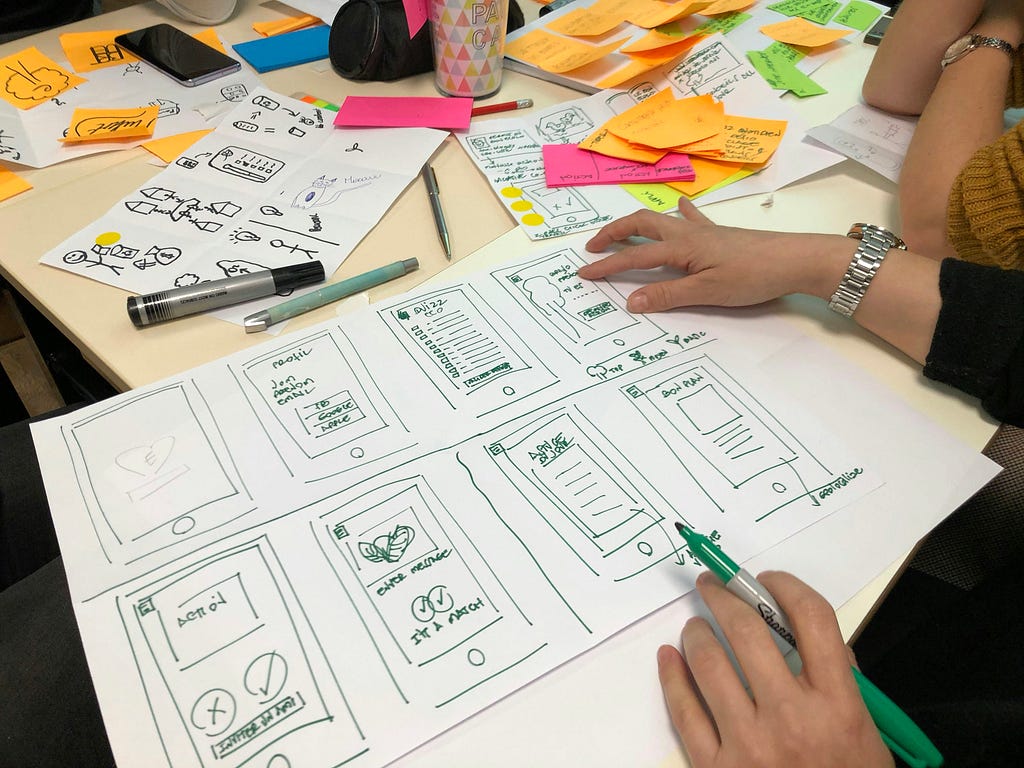
Though it is transformative, AI itself is not just a replacement for human creativity, and it especially cannot replicate judgment, taste, and strategies. At Black Pug Studio, we value bespoke branding solutions over generic copy-and-pasting. Human-led thinking also contributes to the creation of ethical and accessible design, which are modern-day trends that businesses and agencies should keep in mind for their strategies.
Understanding what AI is good at and what it falls flat on is very important. A prompt can mimic a style, but it cannot understand a client, read a room, or sense why a particular shade of green suits a business founder best. Choosing color contrasts everyone can read, writing copy that genuinely speaks to your audience, and knowing when to follow a trend or break it are all calls that need a human conscience, not just an algorithm. AI can support the work, but people should tweak the options it gives them to make the brand asset entirely their own.
Putting AI Branding Strategy Into Practice

If you want to try this approach for your business ventures, you should start with a quick-start checklist that can help you unleash your creative AI sidekick.
An example of such a checklist is as follows:
- Mood Boards: Pick one AI tool and generate a mood board from approximately five brand keywords.
- Competitor Mapping: Prompt an AI search tool for a quick competitor positioning map, then fact-check every claim.
- Brainstorming: Brainstorm approximately twenty taglines, then narrow them down to three you genuinely like.
- Assess: Test your favorite identity option against two imaginary audience members.
- Human Judgment: Note one decision that AI helped you reach faster, and one it got wrong. That balance is your real lesson.
Frequently Asked Questions
What is AI in branding?
AI in branding means using AI tools to support creative work like generating mood boards, exploring naming ideas, and analyzing competitors. It speeds up the process, but the strategy and final calls still come from you.
Can AI replace designers and marketers?
No. AI has speed but no taste or point of view. It is a brainstorming partner that hands you options to react to, while human judgment shapes the brand.
How can AI help create a mood board?
Feed an AI image tool a few brand keywords, audience traits, and emotion-based words, and it returns several visual directions in minutes. The richer your prompt, the closer the results land.
Can AI reliably be used for competitor analysis?
It is great for quickly mapping rival messaging and spotting gaps, but it can invent details. Always fact-check its claims against real market knowledge before acting on them.
How do I start using AI for brand strategy?
Pick one tool and try a single task, such as generating a mood board or twenty tagline options. Note what it helped with and what it got wrong, then build from there.
Conclusion
AI will not build your brand for you, and you wouldn’t want it to. The brands that stand out today are still the ones shaped by human uniqueness, bold choices, nuance and a clear point of view. What AI offers is a faster, more efficient route to those branding choices: it's a powerful sidekick that handles the heavy lifting so you can focus on the creative strategy that truly sets your business apart. Treat AI in branding as a partner rather than the boss, and you get the best of both worlds.
Ready to build a brand that stands out? Talk to Black Pug Studio today to get cracking.
Interested in AI services? Book a free discovery call with us!

If you’re interested in implementing practical AI tools to boost your creative workflow, but don’t know where to begin, we would love to hear from you. At Black Pug Studio in Galway, we offer a free 30-minute discovery call to discuss your challenges, explore where AI might genuinely help, and give you an honest picture of what’s realistic: no obligation, no hard sell, just a useful conversation. You can also explore more of our thinking on AI and multiple other topics on our blog.
Partner With AI to Sharpen Your Brand Strategy was originally published in Creative by Black Pug Studio on Medium, where people are continuing the conversation by highlighting and responding to this story.